
![[aggregator] downloaded image for imported item #57664](https://newsview.top/wp-content/uploads/2026/03/women-menopause-glp-1-hormone-therapy-1024x576.jpg "Hormone therapy boosts weight loss drug results by 35% in women, study finds")
This post was originally published on this site.
For women struggling with weight gain after menopause, a new study suggests that adding hormone therapy to a popular obesity drug may lead to greater weight loss.
Postmenopausal women lost about 35% more weight when usingmenopausal hormone therapyalongside tirzepatide — a GLP-1-based, Food and Drug Administration-approved drug for the overweight and obese — compared to those taking the drug alone, according to a Mayo Clinic study.
The findings, published in February in The Lancet Obstetrics, Gynaecology, &Women’s Health, highlight a possible new strategy for addressing weight gain after menopause, when hormonal shifts can increase the risk of obesity, cardiovascular disease andType 2 diabetes.
STOPPING OZEMPIC?NEW STUDY REVEALS SURPRISING WEIGHT REGAIN RESULTS AFTER GLP-1S
“This study provides important insights for developing more effective and personalized strategies for managing cardiometabolic risk in postmenopausal women,” Dr.Regina Castaneda, the study’s first author, said in a statement.

A new study found that postmenopausal women lost more weight when combining hormone therapy with a GLP-1-based drug.(iStock)
Researchers analyzed 120postmenopausal women who were overweight or obesewho took tirzepatide for at least 12 months, including 40 who also used hormone therapy and 80 who did not.
Hormone therapy is commonly used to treat menopause symptoms like hot flashes and night sweats, while tirzepatide helps regulate appetite and blood sugar.
WEIGHT LOSS MEDICATIONS COULD IMPACT SEXUAL HEALTH IN UNEXPECTED WAYS
Women in the hormone therapy group lost an average of 19.2% of their body weight, compared to 14.0% in the non-hormone group — about 35% greater relative weight loss — with more women reaching significant weight-loss thresholds, according to the study.
Despite the results, researchers emphasized that the study was observational and cannot prove cause and effect.

Hormonal changes after menopause can increase weight gain and health risks.(iStock)
“Because this was not a randomized trial, we cannot say hormone therapy caused additional weight loss,” said Dr.Maria Daniela Hurtado Andrade, an endocrinologist at Mayo Clinic and senior author of the study.
TEST YOURSELF WITH OUR LATEST LIFESTYLE QUIZ
Outside experts agree that the findings must be interpreted cautiously.
“As with all observational studies, we need to interpret this study with a grain of salt,” Dr.
Goddard, who is also an adjunct assistant professor of medicine at the NYU Grossman School of Medicine, noted that the findings show a link but do not prove that hormone therapy, which usually includes estrogen, directly caused the additional weight loss.
taking tirzepatide.That could lead to more weight loss.”
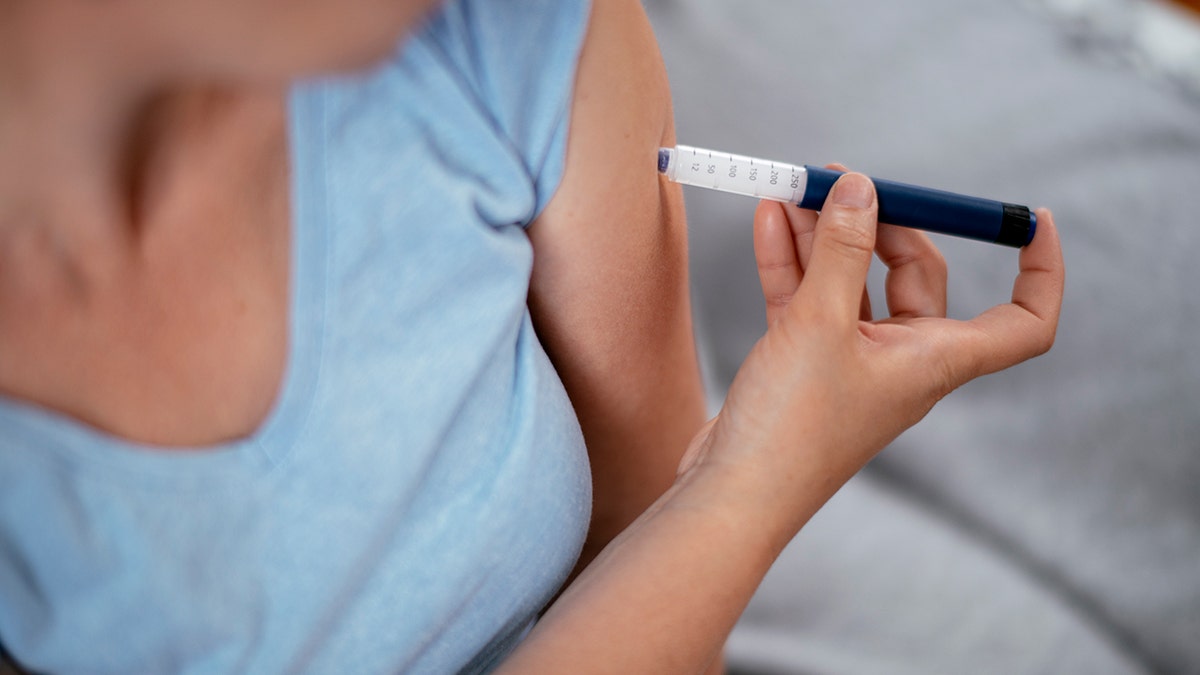
Tirzepatide, a GLP-1-based drug, may be more effective for weight loss when paired with hormone therapy, according to researchers.(iStock)
Symptom relief from the therapy may have also improved sleep and well-being, making it easier for the group to maintain diet and exercise routines, Hurtado Andrade noted.
Researchers also pointed to a possible biological explanation.Preclinical data suggest estrogen may enhance the appetite-suppressing effects of GLP-1-based medications like tirzepatide, according to the study.

Hormone therapy may ease menopause symptoms and help women stay on track with diet and exercise.(iStock)
“The other possibility is that estrogen interacts with tirzepatide in some way that makes it more potent,” she said.“We will need randomized studies to get a better handle on that.”
As for safety, experts say using the two together appearssafe for most women.However, hormone therapy is not recommended for all patients, especially those with a history of certain cancers, blood clots or other underlying health risks, according to the Mayo Clinic.
onelink.me/xLDS?pid=AppArticleLink&af_web_dp=https%3A%2F%2Fwww.
Researchers sayfuture randomized trialswill aim to confirm the findings and explore whether the combination also improves broader cardiometabolic health outcomes, according to the study.

Experts say more research is needed to confirm whether hormone therapy directly boosts weight loss results with GLP-1 drugs.(iStock)
“If confirmed, this work could speed the development and adoption of new, evidence-based strategies to reduce this risk for millions of postmenopausal women navigating this life stage,” Hurtado Andrade said.
![[aggregator] downloaded image for imported item #41500](https://newsview.top/wp-content/uploads/2026/02/man-brushing-tteth-1024x576.jpg "Simple brushing routine could reduce dementia risk, say dental health experts")
![[aggregator] downloaded image for imported item #41842](https://newsview.top/wp-content/uploads/2026/02/people-taking-supplements-diabetes-1024x576.jpg "Some supplements may pose risks for people with diabetes, experts say")
![[aggregator] downloaded image for imported item #42218](https://newsview.top/wp-content/uploads/2026/02/neurologist-brain-scan-1024x576.jpg "Blood test could predict when Alzheimer's symptoms will start years in advance")