
![[aggregator] downloaded image for imported item #57158](https://newsview.top/wp-content/uploads/2026/03/mediterranean-study-diabetes-1024x576.jpg "Popular diet tied to lower dementia risk for some groups, study reveals")
This post was originally published on this site.
Eating more meat may help your memory, a new study suggests.
While some experts suggest adopting plant-focused diets for better health, recent research indicates that a higher intake of unprocessed meat may protect against dementia in older people who have a variant of the APOE gene, which is linked to increasingAlzheimer’s risk.
Researchers tracked over 2,100 older participants — all of whom were dementia-free at the start of the study — for up to 15 years as part of the Swedish National Study on Aging and Care.
DEMENTIA RISK SIGNALS COULD LIE IN SIMPLE BLOOD PRESSURE READINGS, RESEARCHERS SAY
Participants self-reported their diets, while researchers periodically evaluated their cognitive performance through extensive testing and a structured dementia diagnostic process.
The study then compared the cognitive health of participants who had a highergenetic riskfor Alzheimer’s disease (those with the variant genotypes APOE 3/4 and 4/4) with those who did not have the genotypes.
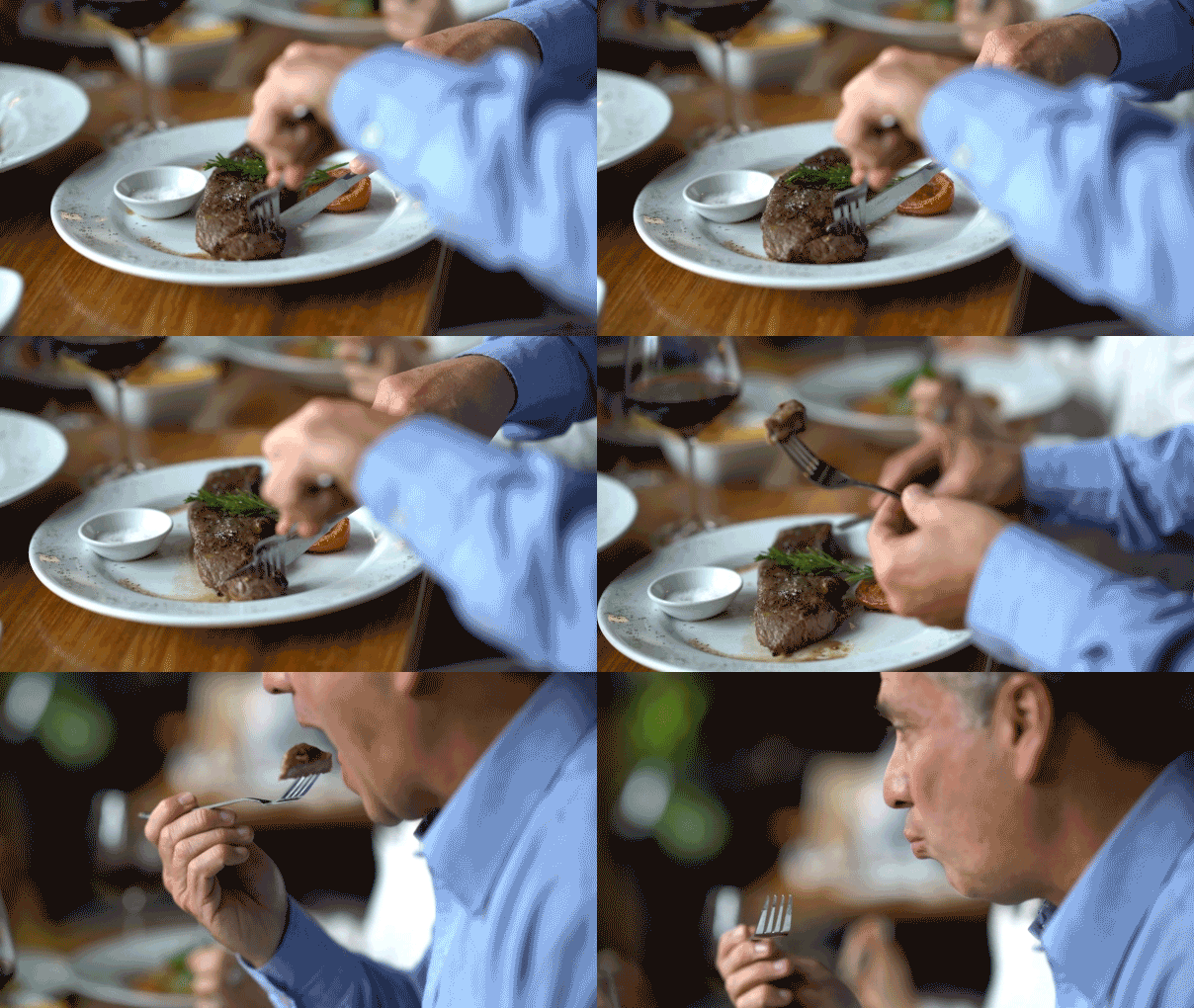
Eating more meat may help your memory, a new study suggests.(iStock)
Previous studies have shown that individuals with the APOE 3/4 genotype face a three- to four-times higher risk of developing Alzheimer’s compared to the general population, while those with the 4/4 genotype have an eight- to 12-time higher risk, according to Mayo Clinic.
Everyone has the APOE gene — one copy from each parent — but about one in four Americans carries a version (like APOE 3/4) that can raise their risk of Alzheimer’s, according to the National Institutes of Health.
‘DEMENTIA VILLAGE’ COULD PUSH AMERICANS TO RETHINK HOW WE TREAT MEMORY LOSS
The participants with a higher genetic risk who consumed less meat had more than twice the risk of dementia than those without the gene variants, the researchers found.
Those with the gene variants who ate the largest amount of meat had significantlyslower cognitive declineand a lower risk of dementia.
processed meatwas associated with a lower risk of dementia, regardless of APOE genotype.
“When standardized to a 2,000 calorie-per-day diet, median weekly consumption ranged from approximately 250 grams in the lowest quintile to 870 grams in the highest,�
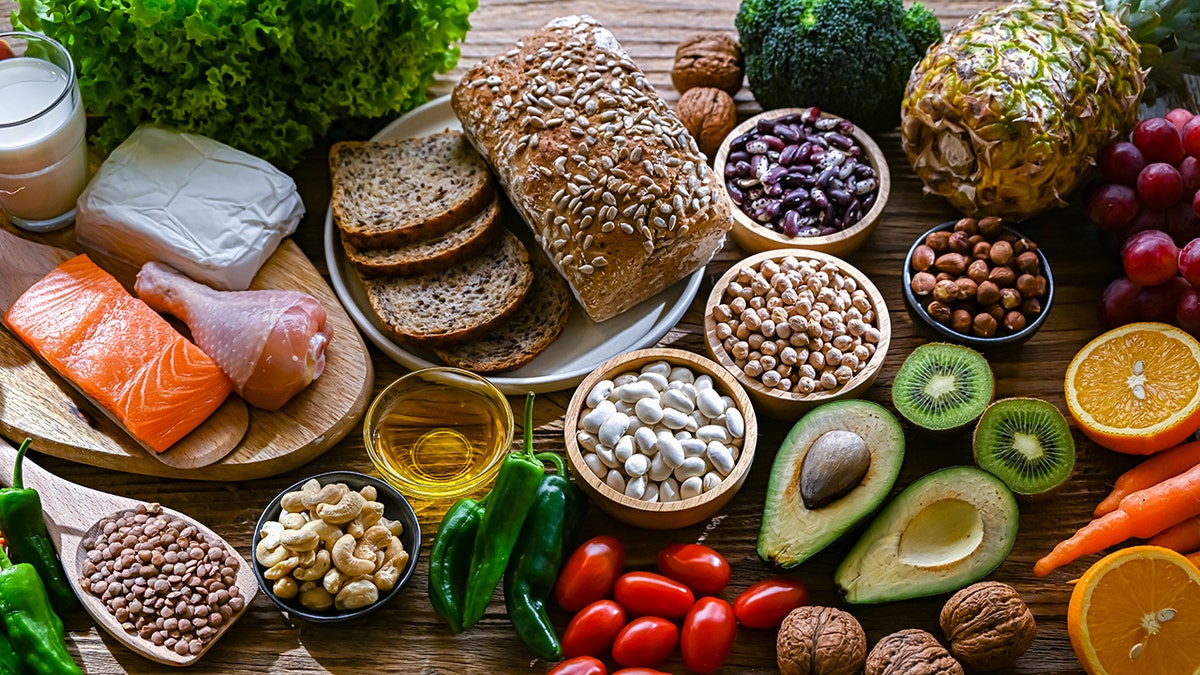
“While this study suggests a specific benefit for certain genotypes, a larger body of evidence points to the MIND diet for long-term brain health,” a medical expert noted.(iStock)
The researchers did not investigate a “carnivore diet,” as the participants who consumed themost meatstill ate moderate amounts of cereal and dairy, Norgren added.
The study findings were published in JAMA Network Open.
onelink.me/xLDS?pid=AppArticleLink&af_web_dp=https%3A%2F%2Fwww.
Su-Nui Escobar, a registered dietitian based in Miami, urged caution when interpreting the results, as the study reports grams of meat, not grams of protein.
“When you translate that, it comes out to about 30 grams of protein per day from meat, something many people already eat,�
The 2020-2025 Dietary Guidelines recommend including lean meats and poultry as part of a healthy protein intake, limiting red meat, and minimizing processed meats.
Study limitations
As the study is observational, it doesn’t prove that eating more meat directly leads to a decrease in Alzheimer’s disease and slowercognitive decline— only that there’s an association between the two, the researchers noted.
MIND dietfor long-term brain health,�
The Los Angeles-based expert recommends a diet consisting of nutrient-dense foods as one of the most promising and practical strategies for delaying cognitive decline and supporting overallhealthy aging.

Approximately one in 10 Americans over 65 is living with dementia, while another 22% have cognitive impairment, according to a recent national study.(iStock)
“By emphasizing leafy greens, berries, nuts, legumes and lean proteins, thiseating patternhas been shown to reduce Alzheimer’s risk by half and slow brain aging by several years,” Mok added.
Approximately one in 10 Americans over 65 is living with dementia, while another 22% have cognitive impairment, according to a recent national study.
TEST YOURSELF WITH OUR LATEST LIFESTYLE QUIZ
The number of new Alzheimer’s cases is expected to double in the coming decades as thepopulation ages— from about 514,000 in 2020 to over one million by 2060.
Last year, dementia cost the U.S.an estimated $781 billion and led to more than 100,000 deaths, per the NIH.
![[aggregator] downloaded image for imported item #41500](https://newsview.top/wp-content/uploads/2026/02/man-brushing-tteth-1024x576.jpg "Simple brushing routine could reduce dementia risk, say dental health experts")
![[aggregator] downloaded image for imported item #41842](https://newsview.top/wp-content/uploads/2026/02/people-taking-supplements-diabetes-1024x576.jpg "Some supplements may pose risks for people with diabetes, experts say")
![[aggregator] downloaded image for imported item #42218](https://newsview.top/wp-content/uploads/2026/02/neurologist-brain-scan-1024x576.jpg "Blood test could predict when Alzheimer's symptoms will start years in advance")