
![[aggregator] downloaded image for imported item #55531](https://newsview.top/wp-content/uploads/2026/03/diet-trends-of-2025-keto-glp-1-carnivore-2-1024x576.jpg "Stopping GLP-1 drugs like Ozempic erodes heart health benefits quickly, new study finds")
This post was originally published on this site.
People who stop taking popular weight-loss and diabetes medications may lose out on anyheart health benefitsthe medications provided.
GLP-1 receptor agonists — such as semaglutide (Ozempic and Wegovy), and tirzepatide (Mounjaro and Zepbound) — have been shown to reduce the risk ofheart attack and stroke.
A new study from the Washington University School of Medicine in St.Louis explored the effects of quitting — particularly related to cardiovascular health.
NEW OZEMPIC-ALTERNATIVE DIABETES PILL BURNS FAT WITHOUT MUSCLE LOSS, STUDY SUGGESTS
“Many people are excited to start GLP-1s, but many stop within a few months,�
“Some research looked atweight regainafter people stop — we wanted to know what happens to heart health when people stop.”

People who stop taking popular weight-loss and diabetes medications may lose out on any heart health benefits the medications provided, a new study says.(iStock)
While GLP-1 drugs lead to weight loss, they also reduce cholesterol,blood pressure, inflammation and insulin resistance, the researcher noted.“When people stop, these start going in the wrong direction.”
In the observational study, researchers followed more than 333,000 U.S.veterans with type 2 diabetes for about three years, comparing those taking GLP-1s to those taking sulfonylureas (oral medicationsused to treat type 2 diabetes).
“Protection that takes years to accumulate can vanish in a few months of stopping.”
They found that those who used GLP-1s continuously for three years had an 18% reduction in cardiovascular risk, according to the study, which was published in BMJ Medicine.
“We found that stopping erodes theheart protectionthese drugs provide,” Al-Aly said.“It took three years of continuous use to achieve an 18% reduction in heart attack, stroke and death — but that protection erodes fast.”
WHAT ARE GLP-3S?MEET THE NEW GENERATION OF WEIGHT-LOSS DRUGS WITH THREE KEY INGREDIENTS
Stopping for six months raised the risk by 4%, one year elevated it by 14%, and two years off the medication raised the risk by 22%.
The researchers were most surprised by how quickly the benefits were lost.“We expected some loss of benefit after stopping, but the pace was striking,” Al-Aly said.“Protection that takes years to accumulate can vanish in a few months of stopping.”

Stopping for six months raised the risk by 4%, one year elevated it by 14%, and two years off the medication raised the risk by 22%.(iStock)
When the patients started taking GLP-1s again after quitting, they experienced a partial but not full heart health benefit (a 12% reduced risk compared to 18% if they hadn’t stopped).
“Restarting helped, but it didn’t fully restore the protection of uninterrupted use,” the researcher emphasized.“Discontinuation leaves a lasting scar.That tells us the damage from stopping isn’t fully reversible, and that has real implications for the millions of people cycling on and off these drugs.”
OLDER AMERICANS ARE QUITTING GLP-1 WEIGHT-LOSS DRUGS FOR 4 KEY REASONS
Dr.Bradley Serwer, an interventional cardiologist and chief medical officer at VitalSolution, an Ingenovis Health company that offers cardiovascular and anesthesiology services to hospitals, agreed that the findings were not unexpected.
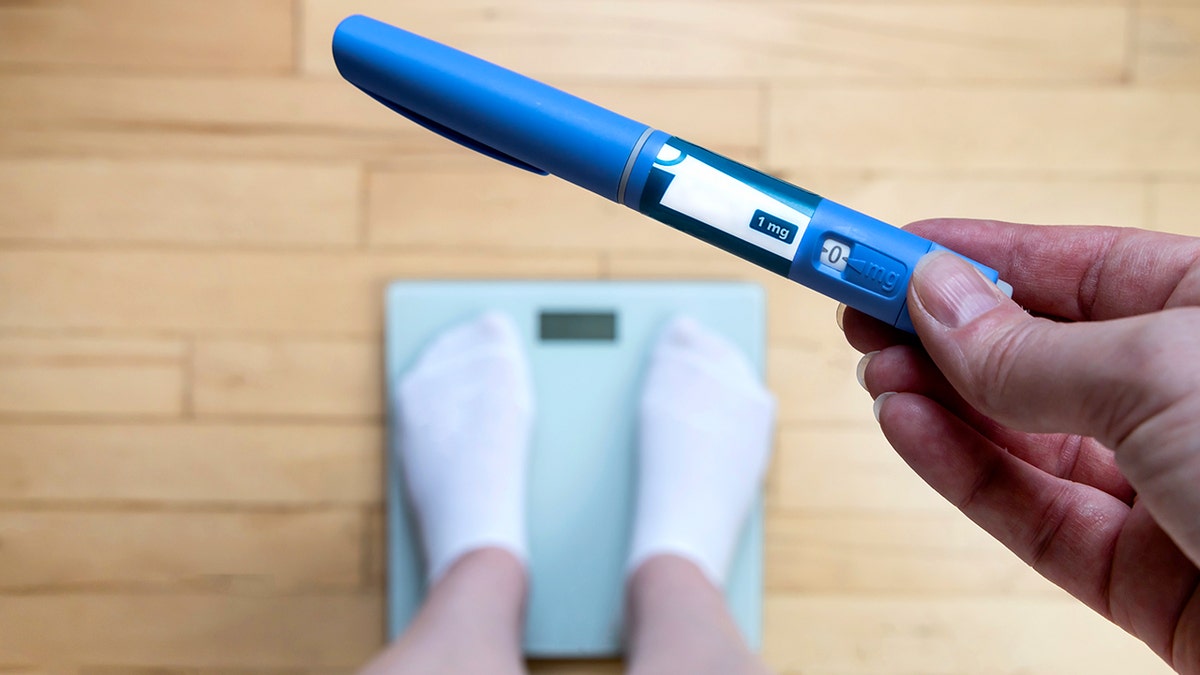
When the patients started taking GLP-1s again after quitting, they experienced a partial but not full heart health benefit.(iStock)
“When treating patients with chronic diseases, the primary objective is long-term success,�“This is achieved through behavioral modification,lifestyle changes, improved heart-healthy diets and medical therapy.”
He added, “When a crucial component of the therapeutic plan, such as medications like GLP-1, is discontinued, the disease process tends to resume at a rapid pace.”
Study limitations
Because the study wasobservational in design, it could only prove an association, not causation, the researchers acknowledged.
older male veterans, the findings may not apply to more general populations.
such as diabetes, hypertension or hyperlipidemia.”
Other factors, such as medication adherence and reasons for stopping, could have impacted the results, the researchers noted.
‘Metabolic whiplash’
Based on the findings, the researchers say GLP-1 drugs should be considered as long-term treatments.
“When people stop GLP-1 drugs, it’s not justweight that comes back,” Al-Aly said.“They experience a resurgence in inflammation, blood pressure, cholesterol and insulin resistance.”
onelink.me/xLDS?pid=AppArticleLink&af_web_dp=https%3A%2F%2Fwww.
Unlike weight regain, the metabolic reversal is “silent and invisible,” he cautioned.
“It doesn’t announce itself until it surfaces in the ER as a heart attack or a stroke.We think of this as a form of ‘metabolic whiplash,’ and our data suggest it is detrimental to heart health.”

“It is essential to engage in a comprehensive discussion with your medical providers to carefully evaluate the potential benefits and risks,” a doctor advised.(iStock)
Serwer added that while GLP-1s are designed to enhance metabolic health, they should be combined with healthy behaviors to help ensure long-term benefits.
TEST YOURSELF WITH OUR LATEST LIFESTYLE QUIZ
“It is crucial to adopt a holistic approach that emphasizeslifestyle modifications, diet and exercise,” he said.
“All medications have their advantages and disadvantages.It is essential to engage in a comprehensive discussion with your medical providers to carefully evaluate the potential benefits and risks.”
![[aggregator] downloaded image for imported item #41500](https://newsview.top/wp-content/uploads/2026/02/man-brushing-tteth-1024x576.jpg "Simple brushing routine could reduce dementia risk, say dental health experts")
![[aggregator] downloaded image for imported item #41842](https://newsview.top/wp-content/uploads/2026/02/people-taking-supplements-diabetes-1024x576.jpg "Some supplements may pose risks for people with diabetes, experts say")
![[aggregator] downloaded image for imported item #42218](https://newsview.top/wp-content/uploads/2026/02/neurologist-brain-scan-1024x576.jpg "Blood test could predict when Alzheimer's symptoms will start years in advance")