
![[aggregator] downloaded image for imported item #41904](https://newsview.top/wp-content/uploads/2026/02/israel-jerusalem-cave-ancient-workship-judaism-history-archaeology-discovery-1-1024x576.jpg "Looters' arrest uncovers 2,000-year-old workshop near Jerusalem biblical pilgrimage path")
This post was originally published on this site.
Authorities in Israel recently conducted a sting operation against antiquities thieves — and uncovered a 2,000-year-old workshop that once suppliedpilgrims traveling to Jerusalem.
The Israel Antiquities Authority (IAA) announced the discovery Feb.16.
ANCIENT SYNAGOGUE UNCOVERED IN ISRAEL REVEALS JEWISH LIFE ALONGSIDE RISE OF EARLY CHRISTIANITY
Officials arrived at the cave one night after carefully tracking the robbers — and caught them in the act.
The suspects were caught red-handed with quarry tools and a metal detector.The five suspects were arrested and confessed to the charges against them, according to officials.

Israeli authorities conducting a sting operation on Mount Scopus uncovered a 2,000-year-old workshop that once supplied Jewish pilgrims traveling to Jerusalem during the Second Temple period.(Israel Antiquities Authority)
“They will soon be indicted both for damage to and for illegal excavation of an antiquities site — offenses punishable by law, for which the proscribed penalty is up to five years in prison,” the IAA release stated.
ARCHAEOLOGISTS REVEAL UNUSUAL RITUAL OBJECTS FROM ANCIENT BIBLICAL CULT AT ARMAGEDDON SITE
But what began as a theft investigation quickly turned into a major archaeological discovery.
The workshop dates to the Second Temple period — the era in whichJesus lived and preachedin Jerusalem.
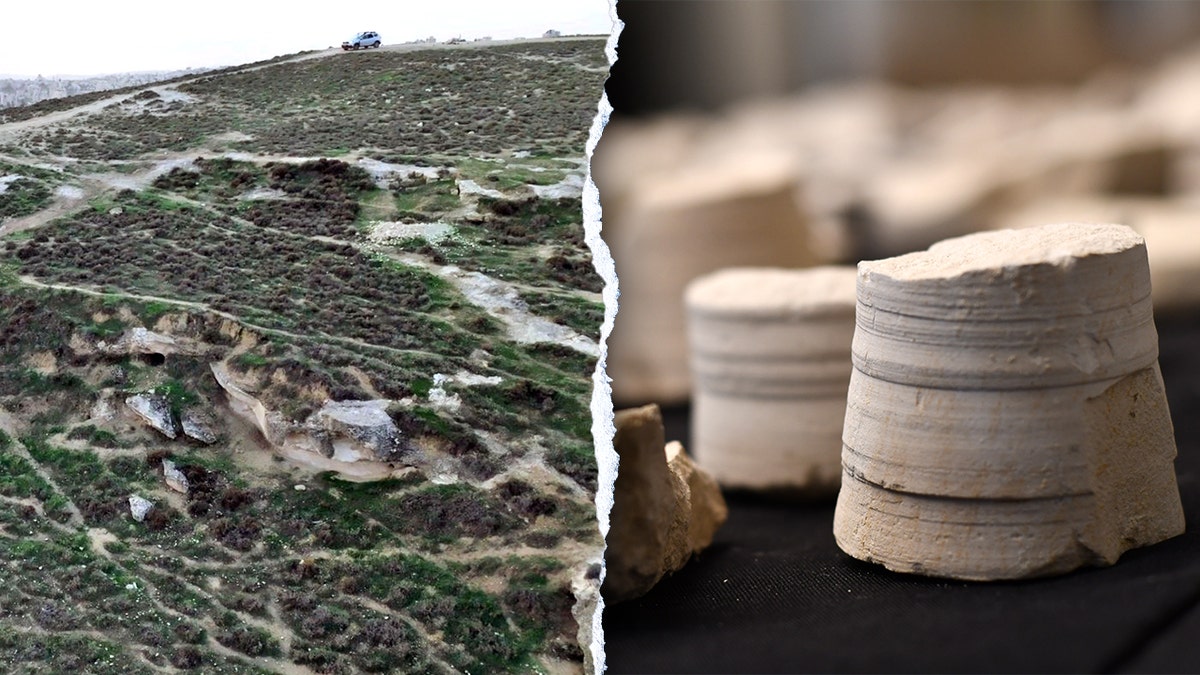
According to authorities, the site once operated on an industrial scale, producing stone vessels for Jerusalem residents and visiting pilgrims.(Israel Antiquities Authority)
In the cave, officials found “hundreds ofstone vessel fragments, production waste and unfinished items,” per the release.
“To their amazement, they discovered hundreds of unique stone vessel fragments,” the statement said.
TEST YOURSELF WITH OUR LATEST LIFESTYLE QUIZ
The site was once located along a main road once used by Jewish pilgrims — particularly thosetraveling to and fromthe Jordan Valley, Jericho and the Dead Sea region.
“It seems that the vessels produced here were marketed in the streets of Jerusalem to both the city’s residents and to visitors making a pilgrimage during the Second Temple period,” the IAA said.
“This was probably an industrial scale workshop that produced vessels for the large Jewish population and pilgrims who arrived in Jerusalem in those days.”
Officials also said the production and use of the stone vessels were “unique to the Jewish population,” asreligious ritualscame into play.
“Ancient sources describe a revolution in the field of purity and impurity during this period, in which there was widespread strictness in the laws of impurity and purity that affected every person,” said the release.
city of Jerusalem, near and around the Temple environs, and along the roads leading up to Jerusalem.”
The vessels were used for multiple purposes, including drinking and storing grain, said Eitan Klein, the deputy director of the Theft Prevention Unit at the Israel Antiquities Authority.

“To their amazement, [officials] discovered hundreds of unique stone vessel fragments,” the IAA said.(Israel Antiquities Authority)
“This was probably an industrial-scale workshop that produced vessels for the large Jewish population and pilgrims who arrived in Jerusalem in those days,” he said.
artifacts are now on displayat the Jay and Jeanie Schottenstein National Campus for the Archaeology of Israel in Jerusalem.
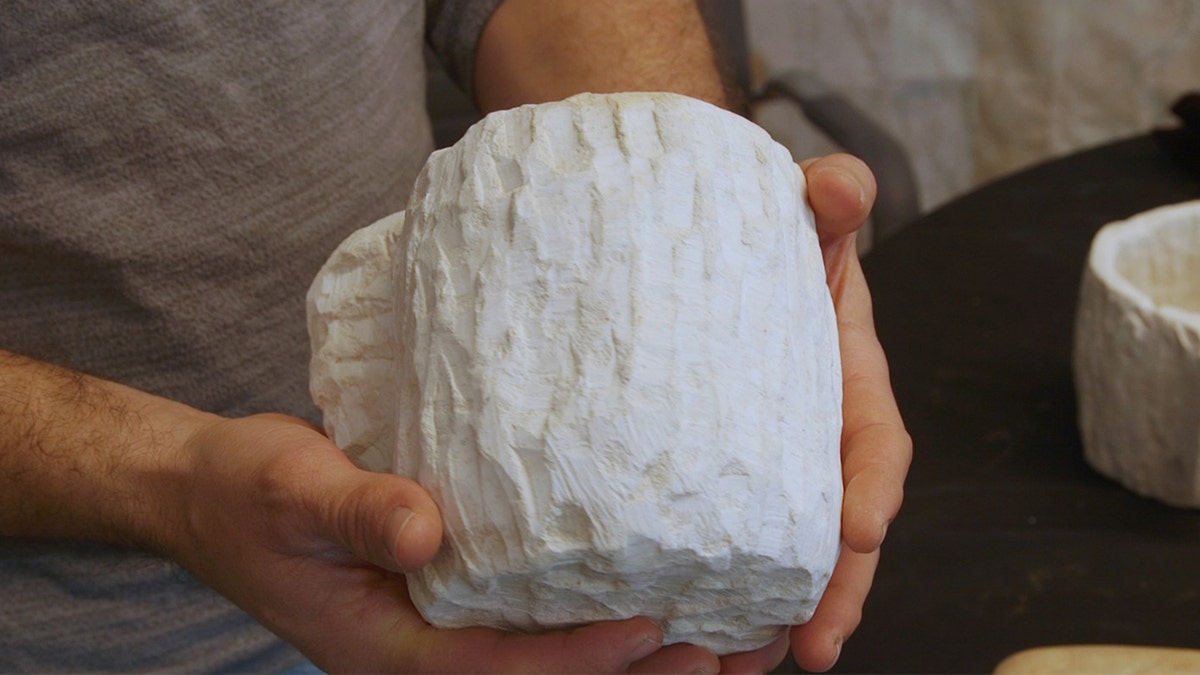
Experts say the stone vessels were used for drinking and storing grain during a period marked by strict Jewish purity laws.(Israel Antiquities Authority)
In a statement, Israeli Minister of Heritage Amichai Eliyahu described the cave as “not merely an archaeological site, but a window into a world preserved deep within the ground, waiting for us.”
“Attempts by our enemies to loot antiquities are not crimes of financial theft, but efforts to steal our identity,” said Eliyahu.
onelink.me/xLDS?pid=AppArticleLink&af_web_dp=https%3A%2F%2Fwww.
“We will not allow this, and will continue to act decisively to preserve and safeguard what has always been ours, and always will be.”
![[aggregator] downloaded image for imported item #22754](https://newsview.top/wp-content/uploads/2026/01/bulgaria-man-survives-lion-attack-ancient-archaeology-history-discovery-1-1024x576.jpg "Ancient man survived brutal lion attack, suffered lifelong damage: 'Extremely rare'")
![[aggregator] downloaded image for imported item #23050](https://newsview.top/wp-content/uploads/2026/01/4961a4b7-3-1024x576.jpg "CDC reports first cruise norovirus outbreak this year, as nearly 90 people are infected")
![[aggregator] downloaded image for imported item #23045](https://newsview.top/wp-content/uploads/2026/01/grenada-travel-advisory-violent-crime-fox-news-1-1024x576.jpg "Vacation destination slapped with increased travel advisory due to 'violent crime'")
![[aggregator] downloaded image for imported item #23238](https://newsview.top/wp-content/uploads/2026/01/only-fans-tiktokers-us-visa-fox-news-1024x576.jpg "OnlyFans stars and TikTok influencers are 'dominating' visas for their 'extraordinary ability'")