
![[aggregator] downloaded image for imported item #41107](https://newsview.top/wp-content/uploads/2026/02/harvard-crimson-sign-2025-1024x576.webp "When an ‘A’ means average, even Harvard has a problem — and they know it")
This post was originally published on this site.
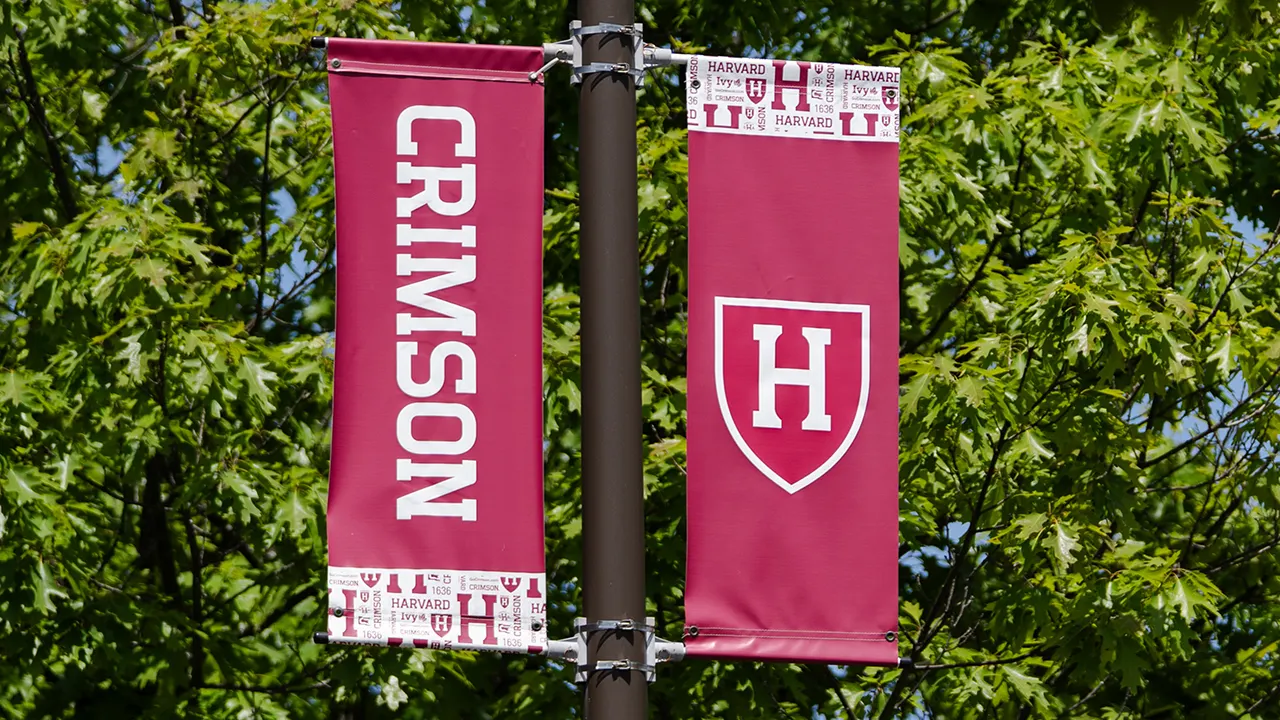
Last year, the average GPA forHarvard University’s Class of 2025 was 3.83.That’s not a typo.
At Harvard, one of the world’s most selective colleges, the average student graduating in 2025 had a 3.83 GPA on a 4.0 scale.That meant that the typical student received an A or A-minus in nearly every class they took.
Harvard has plenty of company.Yale’s average GPA was a similarly laughable 3.7 in 2023, with nearly 80 percent of grades in the A to A-minus range.Public universities boosted grades by 17 percent between 1990 and 2020.And, in K-12 schooling, grades keep going up even though test scores haven’t.
HARVARD ALUM BLASTS DEI POLICIES AFTER ‘WOKE’ VALUES DRIVE LONGTIME PROFESSOR’S EXIT
This phenomenon is known asgrade inflation, and it’s a big problem.Colleges claim that they’re teaching students critical, essential skills.That’s how they justify those pricey tuition bills and hefty taxpayer subsidies.But how seriously can we take such claims when they’ve ceased setting a consequential bar for student work?
A meaningful education rests on high expectations and a sense of shared purpose.When students receive A’s for mediocre work,hard workstarts to seem like a sucker’s bet.The result is that students and teachers drift into convenient cosplay, with professors pretending to teach and students pretending to learn.That’s how you wind up with students reporting that they haven’t been tasked with writing anything more than five pages.With students increasingly delegating their essays to AI and grumbling if they’re asked to read more than 10 pages a week for a class.WithHarvard students breaking downin tears when told they may have to start attending class.Professors at elite colleges have grown reluctant to ask students to read whole books.Even film professors have largely given up on assigning complex films because they don’t think students will bother to sit through them.The number of students who qualify for disability accommodations, such as extra time on tests, has risen exponentially at elite schools.
This is what happens when standards and expectations collapse.Tougher grading isn’t a one-off fix to this problem, but it’s a healthy start.
That’s why it’s promising to finally see Harvard take grade inflation seriously.Last week, afaculty committee proposed cappingA’s at 20 percent of grades per class.Since A’s constitute the lion’s share of grades issued at Harvard, such a cap would be a stark corrective.The university’s faculty appear to be tentatively supportive of the recommendations, which they’ll vote on later this spring.
FEWER HARVARD FACULTY MEMBERS IDENTIFYING AS LIBERAL, ALTHOUGH STAFF STILL STRONGLY LEFT-LEANING: SURVEY
Faculty support may surprise some readers.After all, aren’t professors the ones inflating the grades?Yep, they sure are.But what outsiders may not appreciate is that these same faculty frequently say they feel like they have no alternative.
The same professors who give students A’s that they don’t deserve will quietly lament that they feel powerless to do anything else.It’s a collective action problem: There’s no incentive for an individual faculty member to try to hold the line.To do so is to invite tearful pleading from students, accusations of bias, and even angry texts from tuition-paying parents.Easy grades make students happy and a professor’s life easier.
Tough grading is also a recipe for lousy ratings on student course evaluations, which can come back to hauntfaculty when it comes to tenureand promotion.That’s why so many professors would breathe a sigh of relief if Harvard “forced” them to grade more rigorously.
Harvard is finally taking action.While there’s plenty to second-guess about how the Trump administration has gone after Harvard and its peers, the pressure has sparked a new urgency about long-ignored problems.The administration’s proposed higher ed “compact,” issued last October, had its problems but also did much to elevate issues like grade inflation.
A quarter-century ago, Harvey “C-Minus” Mansfield, the iconic Harvard political theorist, started giving students two grades — one he thought they deserved and another “based on Harvard’s system of inflated grades.” It’d be a terrific turn if Harvard recommitted to rigor, if only so that professors who want to provide honest feedback no longer feel obliged to operate in the shadows.
Greg Fournier is the program manager of Education Policy Studies at the American Enterprise Institute.
![[aggregator] downloaded image for imported item #35734](https://newsview.top/wp-content/uploads/2026/02/bad-bunny-performs-super-bowl-2-1024x576.jpg "Why Bad Bunny’s polarizing Super Bowl halftime show felt like a slap at America")
![[aggregator] downloaded image for imported item #35727](https://newsview.top/wp-content/uploads/2026/02/jeff-bezos-sitting-1024x576.jpg "How Jeff Bezos ruined the Washington Post and why he should sell it")
![[aggregator] downloaded image for imported item #35722](https://newsview.top/wp-content/uploads/2026/02/nuclear-reactor-germany-1024x576.jpg "America can’t duck and cover from Washington’s nuclear waste disposal failure")