
![[aggregator] downloaded image for imported item #30166](https://newsview.top/wp-content/uploads/2026/01/italy-vitruvius-ancient-rome-archaeology-history-discovery-2-1024x576.jpg "Archaeologists uncover long-lost basilica tied to legendary father of architecture")
This post was originally published on this site.
Archaeologists in Italy recently unearthed a 2,000-year-old basilicalinked to Vitruvius, the legendary engineer long known as the father of architecture.
The building remains were found in Fano, a city roughly 150 miles northeast of Rome.The discovery was announced at a press conference with Italian officials on Jan.19, according to Reuters.
Officials have identified the building as a basilica, or a public building.Basilicas were largely used for civic, not religious, purposes before Romeadopted Christianity.
SELF-HEALING CONCRETE?BURIED POMPEII SITE REVEALS SECRET BEHIND ROME’S ENDURING STRUCTURES
Photos from the site show archaeologists working around the remains of the ancient stone building.The basilica had a rectangular layout, said officials, with 10 columns on its longer sides and four on its shorter ones.
The basilica is the only building that experts can connect to Vitruvius with complete certainty.
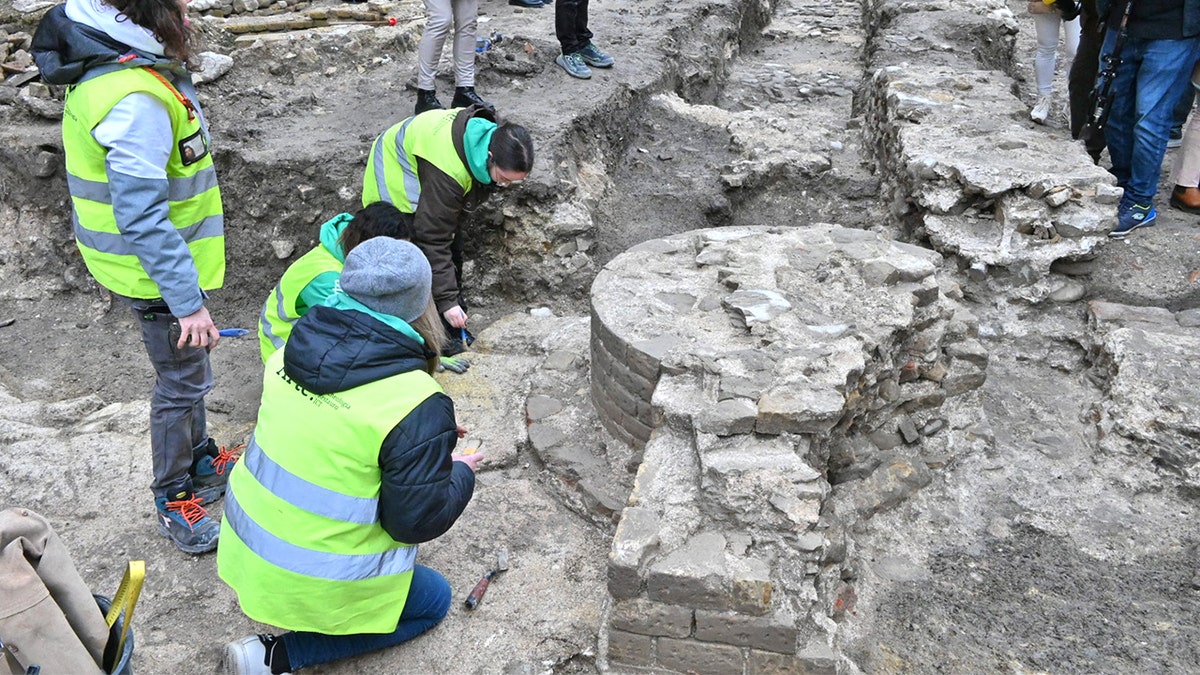
Archaeologists in Italy uncovered a 2,000-year-old basilica in Fano that experts have linked to Vitruvius.(Italian Ministry of Culture)
Vitruvius was born around 80–70 B.C.and died in 15 B.C.He is the renowned author of “De architectura,” an ancient text about architecture.
The text consists of 10 treatises on architecture, engineering and urban planning, and is the oldestsurviving work writtenon the subject.
TEST YOURSELF WITH OUR LATEST LIFESTYLE QUIZ
Leonardo da Vinci’s famous “Vitruvian Man” drawing is a nod to Vitruvius, who also influenced such architects as Christopher Wren and Andrea Palladio.
Regional archaeological superintendent Andrea Pessina told reporters that officials “have [an] absolute match” between the discovery and the basilica described in Vitruvius’s writings.
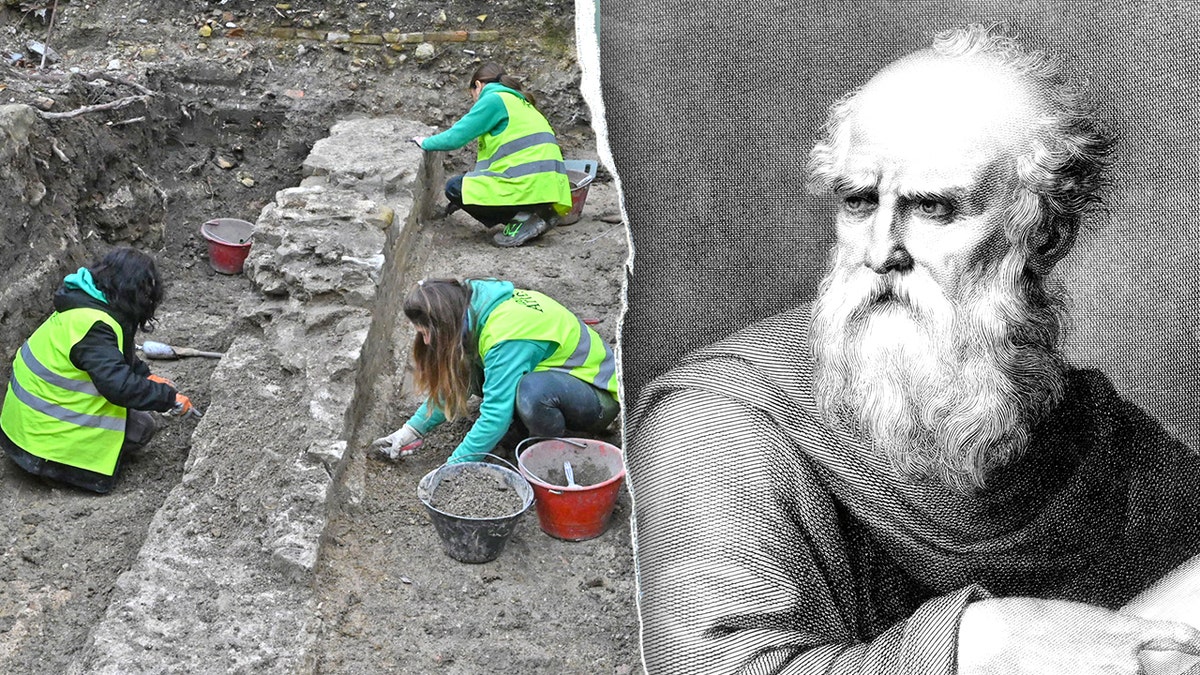
Vitruvius authored “De architectura,” the oldest surviving work on architecture, engineering and urban planning.(Italian Ministry of Culture;DeAgostini/Getty Images)
“There are few certainties in archaeology … but we were impressed by the precision [of the match],” Pessina added.
Archaeologists plan to continue working at the site to find more remnants.They said they hope toshow the site to the publicone day.
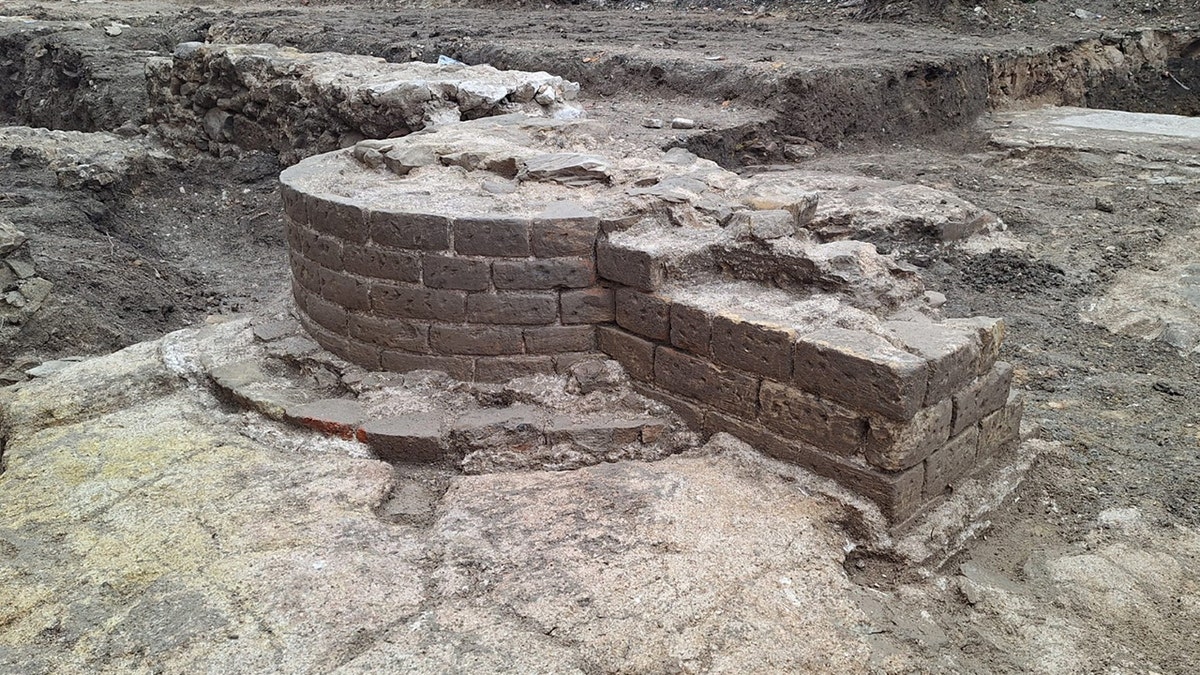
“There are few certainties in archaeology … but we were impressed by the precision [of the match],” said the archaeological superintendent.(Italian Ministry of Culture)
Luca Serfilippi, the mayor of Fano, called the find “the discovery of the century,” and mentioned that researchers have searched for the basilica for centuries.
The mayor of Fano, Italy, described the find as “the discovery of the century” during remarks to reporters.(Italian Ministry of Culture) The unique find follows a long list of discoveries related to ancient Rome in recent months. Last fall, archaeologists found a massive stone basin in Italy belonging to thecity of Gabii,a once-powerful rival of Rome. onelink.me/xLDS?pid=AppArticleLink&af_web_dp=https%3A%2F%2Fwww. Weeks earlier, the Sicilian regional government announced thediscovery of a helmetfrom the Battle of the Aegates in 241 B.C. Reuters contributed reporting.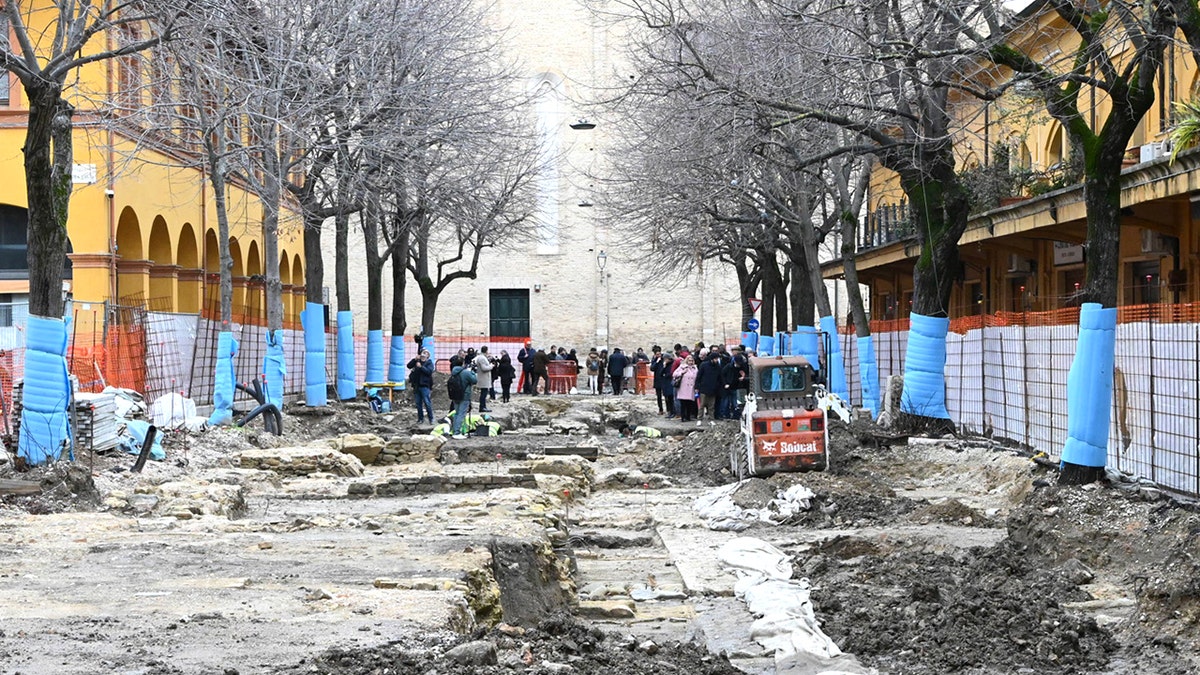
![[aggregator] downloaded image for imported item #22754](https://newsview.top/wp-content/uploads/2026/01/bulgaria-man-survives-lion-attack-ancient-archaeology-history-discovery-1-1024x576.jpg "Ancient man survived brutal lion attack, suffered lifelong damage: 'Extremely rare'")
![[aggregator] downloaded image for imported item #23050](https://newsview.top/wp-content/uploads/2026/01/4961a4b7-3-1024x576.jpg "CDC reports first cruise norovirus outbreak this year, as nearly 90 people are infected")
![[aggregator] downloaded image for imported item #23045](https://newsview.top/wp-content/uploads/2026/01/grenada-travel-advisory-violent-crime-fox-news-1-1024x576.jpg "Vacation destination slapped with increased travel advisory due to 'violent crime'")
![[aggregator] downloaded image for imported item #23238](https://newsview.top/wp-content/uploads/2026/01/only-fans-tiktokers-us-visa-fox-news-1024x576.jpg "OnlyFans stars and TikTok influencers are 'dominating' visas for their 'extraordinary ability'")