
![[aggregator] downloaded image for imported item #25525](https://newsview.top/wp-content/uploads/2026/01/issac-device-001-1024x576.jpg "Breakthrough device promises to detect glucose without needles")
This post was originally published on this site.
The idea of tracking blood sugar without needles has challenged health tech for years.Forpeople with diabetes, constant monitoring is critical, yet the tools remain uncomfortable and invasive.Finger pricks hurt.Traditional continuous glucose monitors still sit under the skin.That daily burden adds up fast.
Recently, one small device has been drawing significant attention for tackling that problem in a very different way.
Sign up for my FREE CyberGuy Report
Get my best tech tips, urgent security alerts and exclusive deals delivered straight to your inbox.Plus, you’ll get instant access to my Ultimate Scam Survival Guide — free when you join myCYBERGUY.COMnewsletter.
WEIGHT LOSS EXPERTS PREDICT 5 MAJOR TREATMENT CHANGES LIKELY TO EMERGE IN 2026
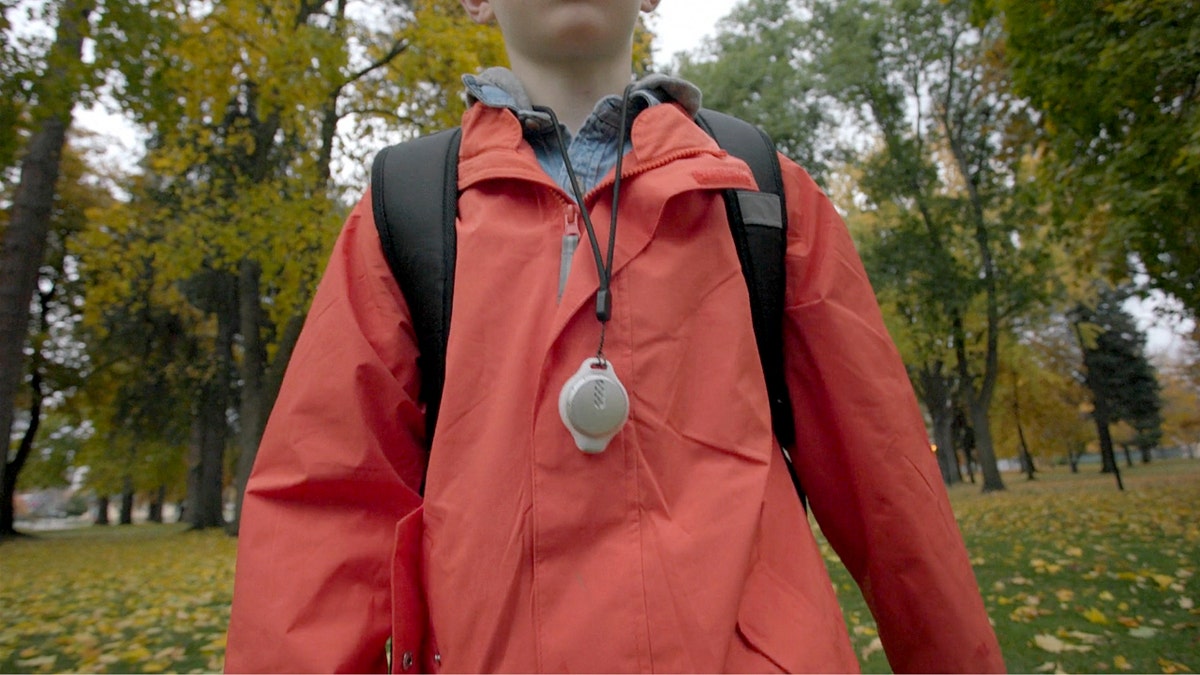
A small breath-based device called isaac aims to alert users to glucose changes without needles or sensors under the skin.(PreEvnt)
Why noninvasive glucose tracking matters
Blood sugar levels can rise or fall quickly.When changes go unnoticed, the risks increase, from long-term organ damage to sudden hypoglycemia.Monitoring can be especially difficult for:
- Small children
- Older adults
- Anyone who struggles with needles
At the same time, glucose tracking has surged among people without diabetes.As GLP-1 medications gain popularity, many people now track their blood sugar to understand how food affects their bodies.The need for simpler tools keeps growing.
Even Apple has spent years trying to bring no-prick glucose tracking to wearables.Despite heavy investment, the feature has yet to arrive.
NEEDLE-FREE GLUCOSE CHECKS MOVE CLOSER TO REALITY
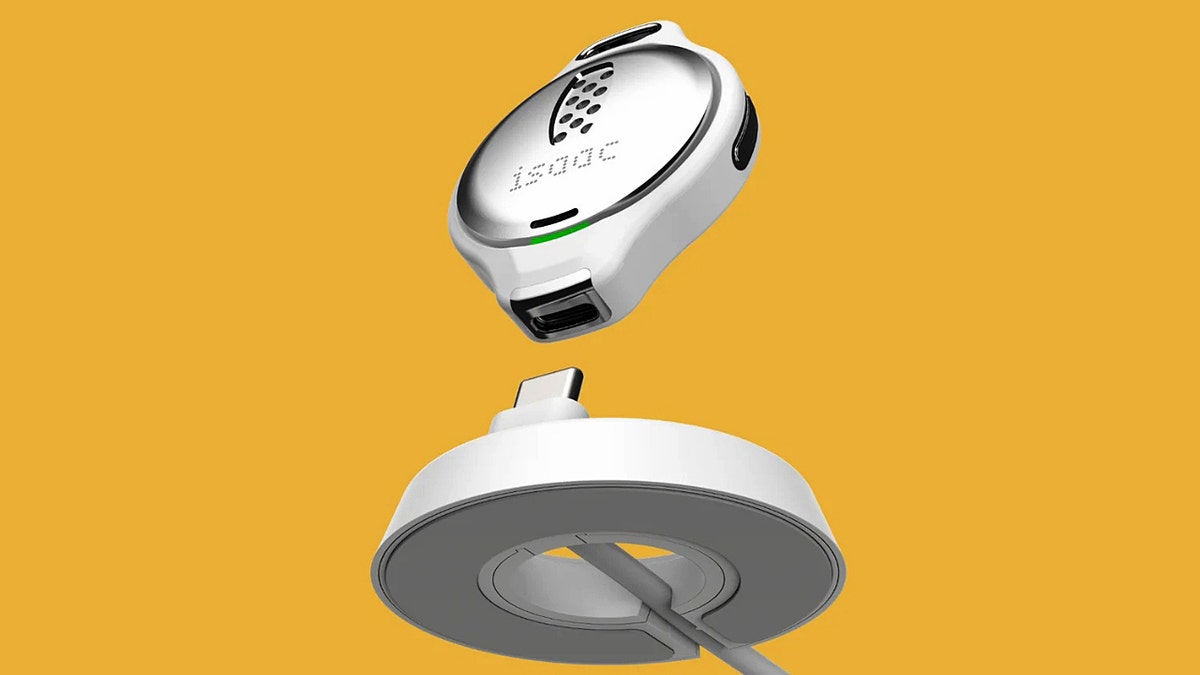
Instead of finger pricks, the device analyzes acetone and other compounds in exhaled breath linked to blood sugar levels.(PreEvnt)
How the PreEvnt isaac monitors glucose using breath
One of the most talked-about health devices atCES 2026came from PreEvnt.Its product, called isaac, takes a nontraditional approach to glucose awareness.Instead of piercing skin or using optical sensors, isaac analyzes your breath.
The device measures volatile organic compounds, especially acetone, which has long been associated with rising blood glucose.That sweet fruity breath is a known marker of diabetes.By detecting changes in those compounds, isaac can alert users to potential glucose events.The device is small, about the size of a quarter, with a loop so it can be worn on a lanyard or clipped to clothing or a bag.
The breath-based design is intended to reduce how often users need finger-prick blood tests, while providing early alerts for glucose-related changes.
The device is named after the inventor’s grandson, Isaac, who was diagnosed with Type 1 diabetes at just 2 years old.The inventor, Bud Wilcox, wanted to reduce the number of painful finger pricks his grandson faced each day.That personal motivation led to years of collaboration with scientists, designers and engineers.Research and development included work with Indiana University under the direction of Dr.M.Agarwal.The goal was simple but ambitious: Alert families to blood sugar events earlier while reducing the physical and emotional toll of constant testing.
How the isaac device fits into daily life
Isaac is designed to fit into everyday routines.Users breathe into the device, which processes the reading and sends the data to acompanion smartphone app.The app, still in its final stages of development, focuses on awareness and safety.Current features include:
- A timeline for logging meals
- A history of breath readings
- Alerts that can notify emergency contacts
This matters because people with diabetes can become disoriented or incapacitated during hypoglycemic events.Early alerts give caregivers or family members a chance to step in.A single charge lasts all day and supports multiple breath tests.The device comes with a USB-C charging cradle and cable.
Who isaac is designed for
According to PreEvnt, isaac is being developed for:
- Type 1 diabetics
- Type 2 diabetics
- Prediabetics
It may also appeal to people focused on metabolic health.As mentioned, the device is still undergoing development and FDA review and is not yet for sale in the U.S.The companion app will launch on iOS and Android closer to availability.
TYPE 1 DIABETES REVERSED IN LANDMARK STUDY, PAVING THE WAY FOR HUMAN STUDIES
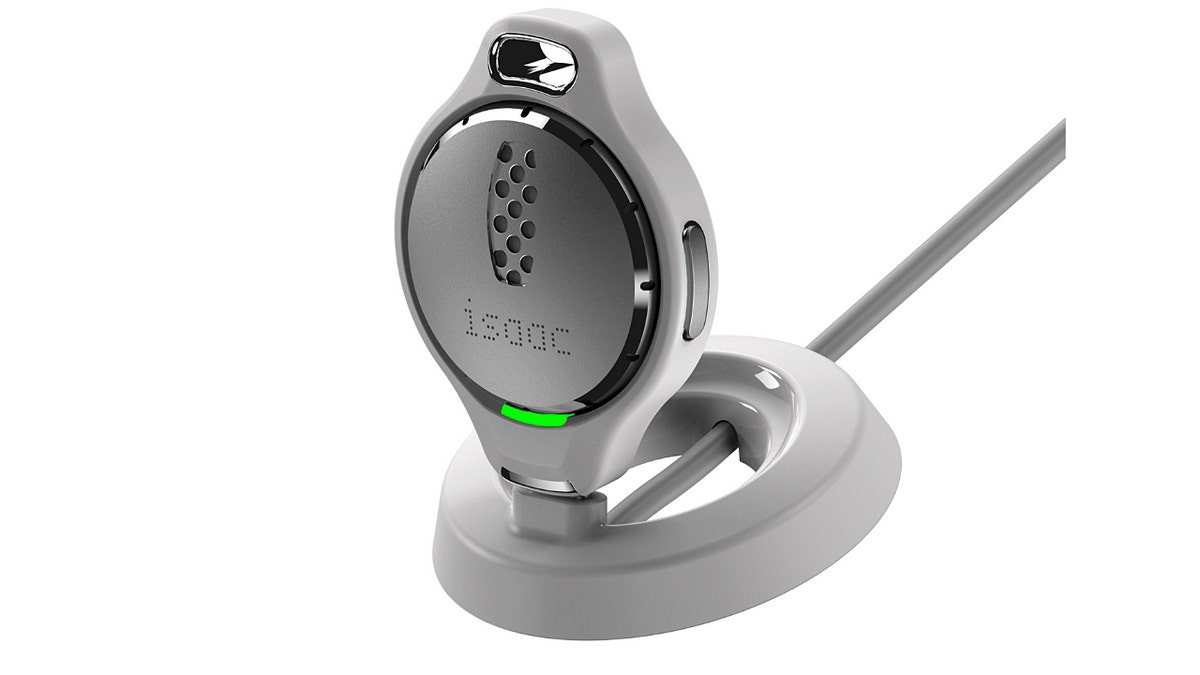
Designed for everyday use, the isaac wearable device pairs with a smartphone app to log readings and send alerts when needed.(PreEvnt)
Clinical trials and FDA review for the isaac device
PreEvnt first introduced isaac publicly at CES 2025.Later that year, the device entered active human clinical trials. Those studies compare isaac’s breath-based alerts with traditional blood glucose monitoring methods.
Trials began with adolescents who have Type 1 diabetes and later expanded to adults with Type 2 diabetes.The company is now working toward regulatory review with the U.S.Food and Drug Administration.Because this technology is new, PreEvnt is pursuing a de novo pathway, which allows devices to be evaluated while standards are still being defined.According to the company, regulators have shown strong interest as the data continues to come in.
Isaac does not claim to replace medical-grade glucose meters.The device is being developed to supplement existing monitoring methods by offering breath-based alerts tied to glucose-related changes.
Take my quiz: How safe is your online security?
Think your devices and data are truly protected?Take this quick quiz to see where your digital habits stand.From passwords to Wi-Fi settings, you’ll get a personalized breakdown of what you’re doing right and what needs improvement.Take my Quiz here:Cyberguy.com.
Kurt’s key takeaways
Noninvasive glucose monitoringhas long felt like a future promise that never quite arrives.The attention around isaac at CES 2026 suggests that promise may finally be getting closer.If clinical trials continue to deliver strong results and regulators give approval, breathing into a small device could one day replace at least some finger pricks.For families living with diabetes, that shift could make daily life easier and safer.
Would you trust a breath-based device to warn you about rising blood sugar before symptoms appear?Let us know by writing to us atCyberguy.com
onelink.me/xLDS?pid=AppArticleLink&af_web_dp=https%3A%2F%2Fwww.
Sign up for my FREE CyberGuy Report
Get my best tech tips, urgent security alerts and exclusive deals delivered straight to your inbox.Plus, you’ll get instant access to my Ultimate Scam Survival Guide — free when you join myCYBERGUY.COMnewsletter.
Copyright 2026 CyberGuy.com. All rights reserved.
![[aggregator] downloaded image for imported item #17439](https://newsview.top/wp-content/uploads/2025/12/data-breach-photo-1-1024x576.jpg "700Credit data breach exposes SSNs of 5.8M consumers")
![[aggregator] downloaded image for imported item #17534](https://newsview.top/wp-content/uploads/2025/12/laptop-chatgpt-photo-1-1024x576.jpg "OpenAI tightens AI rules for teens but concerns remain")
![[aggregator] downloaded image for imported item #17884](https://newsview.top/wp-content/uploads/2025/12/typosquatting-scam-photo-1-1024x576.jpg "Microsoft typosquatting scam swaps letters to steal logins")
![[aggregator] downloaded image for imported item #18020](https://newsview.top/wp-content/uploads/2025/12/apple-maps-parking-1024x576.jpg "Never lose your car with Maps parking tools")