
![[aggregator] downloaded image for imported item #24243](https://newsview.top/wp-content/uploads/2026/01/richard_blumenthal-1024x576.jpg "SEN RICHARD BLUMENTHAL: Crypto is a gamble our financial system doesn't need")
This post was originally published on this site.
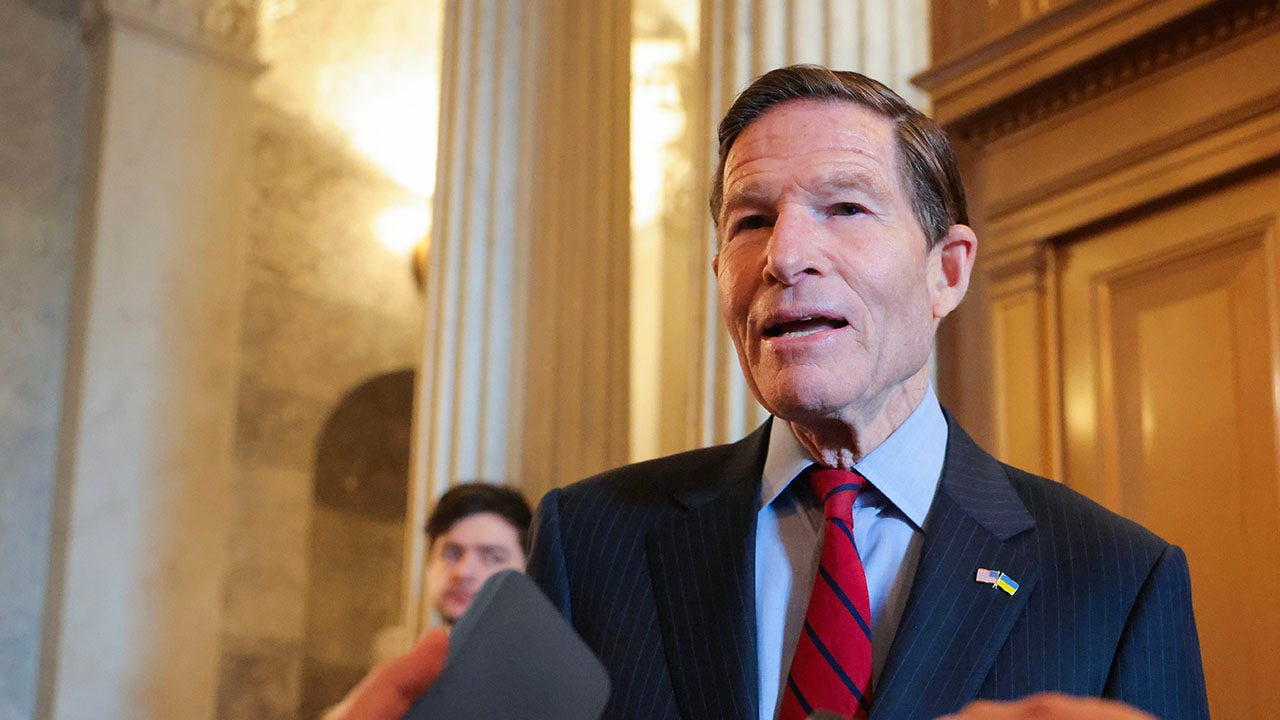
The Senate Banking Committee will hold a meeting Thursday to mark up crypto legislation that further fulfills many of PresidentDonald Trump’s promises to his crypto billionaire friends.In racing to finish the crypto industry’s wish list before midterms, Congress should remember what happened the last time crypto impacted legacy banking.We’ve seen this movie before — and taxpayers paid for the tickets.
Last September, as ranking member of theSenate’s Permanent Subcommittee on Investigations, I released a 292-page report documenting how three major American banks received dubious audits indicating they were sound — just before their catastrophic failures cost bank customers millions.
Our investigation gave us a unique window into how crypto can quickly move from innovation to contagion.Silicon Valley Bank, Signature Bank and First Republic Bank raked in profits when venture capital and crypto boomed, but they all learned that tech money comes fast but leaves even faster — threatening the stability of banking and leaving taxpayers and investors on the hook for losses.Thesebank failuresprovide a chilling warning for anyone backing the crypto lobby’s efforts to further cement the unsavory world of crypto into the American economy.
MALICIOUS MAC EXTENSIONS STEAL CRYPTO WALLETS AND PASSWORDS
Silicon Valley Bank collapsed following the failure of the trading firm FTX, the downturn in the Bitcoin market and the shuttering of crypto-focused Silvergate Bank.In early 2023, as their bets unraveled, crypto industry insiders pushedfor bailouts— fueling panic that accelerated bank runs.The resulting turmoil threatened major technology companies and millions of depositors, ultimately requiring federal intervention to the tune of $340 billion to quell fear of contagion.Even then, more than $54 billion in stocks and bonds became worthless when the banks collapsed, including $700 million that one pension fund lost in a single day.Unless Congress acts to put some guardrails on the recently passed GENIUS Act, it will only be a matter of time before the industry is clamoring for bailouts again.
The historic speed of deposit flight at these banks demonstrated how modern finance is getting faster and more reckless, especially with the introduction of crypto firms into the banking system.Technology made banking faster, and it made failure faster too.More crypto in the banking system supercharges the systemic risk of financial instability.Signature Bank is a clear example: it collapsed after their substantial crypto-related deposits flooded out of the bank in the months after the collapse of FTX.Thecomplexity and opacity of crypto marketsalso undermines traditional oversight.Signature Bank’s auditors failed to grasp the risks and repeatedly assured the public everything was fine year after year.But opacity isn’t a bug of crypto — it’s the business model.
Now, the crypto industry has spent millions trying tolobby Congress and the Trump administrationto forget the past and allow them to take over banking and write their own investment rules.Crypto is encouraging American consumers to abandon traditional bank accounts in favor of “digital dollars” called stablecoins.The industry is even trying to replace savings accounts through offering “yield” on tokens — the crypto equivalent of interest.While this new form of digital currency may sound appealing, stablecoins lack basic safeguards that protected the depositors at Silicon Valley Bank when it failed in 2023.
The collapse of Silicon Valley Bank and the ensuing turmoil should have been a lesson: keep crypto far from our financial system.Silicon Valley Bank’s collapse wasn’t the fault of a few bad managers or reckless reports from a single auditor.The cozy audits these banks received for years lays bare a fundamental principle of finance — recklessness thrives when profits are private and losses are public.
Read More → Secret phrases to get you past AI bot customer service
My investigation revealed Signature Bank’s auditors joking with each other as the bank collapsed. They thought its management was foolish because they relied on crypto to boost their numbers and “look cool … and wonder why they’re crumbling as the floor drops out.” That casual cynicism captures the deeper failure exposed by the 2023 bank collapses: when crypto-driven risk is profitable, those charged with policing it will look away.
As the Senate Banking Committee prepares to mark up a crypto market structure bill, Congress should remember that the collapse of Silicon Valley Bank was not an accident — it was a preview.That failure exposed how crypto-linked deposits, digital-speed bank runs and opaque markets can overwhelm regulators before risks are visible.Yet the legislation now under consideration would push more of that volatility deeper into the financial system under the guise of innovation and clarity.If lawmakers fail to confront the lessons of 2023, they will be locking in the same frailties that forced taxpayers to step in once before — and will inevitably be asked to do so again.
![[aggregator] downloaded image for imported item #14600](https://newsview.top/wp-content/uploads/2025/12/2-9-ways-scammers-can-use-your-phone-number-to-try-to-trick-you-2-1024x576.jpg "It's not just Minnesota; Democrats have created welfare fraud everywhere")
![[aggregator] downloaded image for imported item #14586](https://newsview.top/wp-content/uploads/2025/12/view2-1024x576.jpg "BROADCAST BIAS: Texas ‘Landman’ does well bashing the ‘millionaire’ haters on ‘The View’")
![[aggregator] downloaded image for imported item #14587](https://newsview.top/wp-content/uploads/2025/12/view2-1-1024x576.jpg "BROADCAST BIAS: Texas ‘Landman’ does well bashing the ‘millionaire’ haters on ‘The View’")