
This post was originally published on this site.
GLP-1 has become a popular buzzword in theweight-losscommunity — but now some are touting “GLP-3s,” claiming they are taking obesity medications to the next level.
GLP-1 (glucagon-like peptide-1) medications work by mimicking a naturally occurring hormone in the body that helps regulateblood sugarand appetite.
The informal term “GLP-3” refers to a new triple-agonist drug that targets three hormones: GLP-1, GIP (glucose-dependent insulinotropic polypeptide, another naturally occurring hormone released by the gut after eating) and glucagon receptors.The most advanced example is retatrutide by Eli Lilly, according to clinical trial outcomes.
OBESITY EXPERT REVEALS THE BEST WAY TO DECIDE IF GLP-1S ARE RIGHT FOR YOU
The New England Journal of Medicine published results from a 2023 phase 2 retatrutide trial for obesity, revealing “substantial reductions inbody weight” after 48 weeks of treatment.
A 12 mg once-weekly injection led to a 24.2% weight reduction, and participants continued to drop pounds after the 48-week trial period.
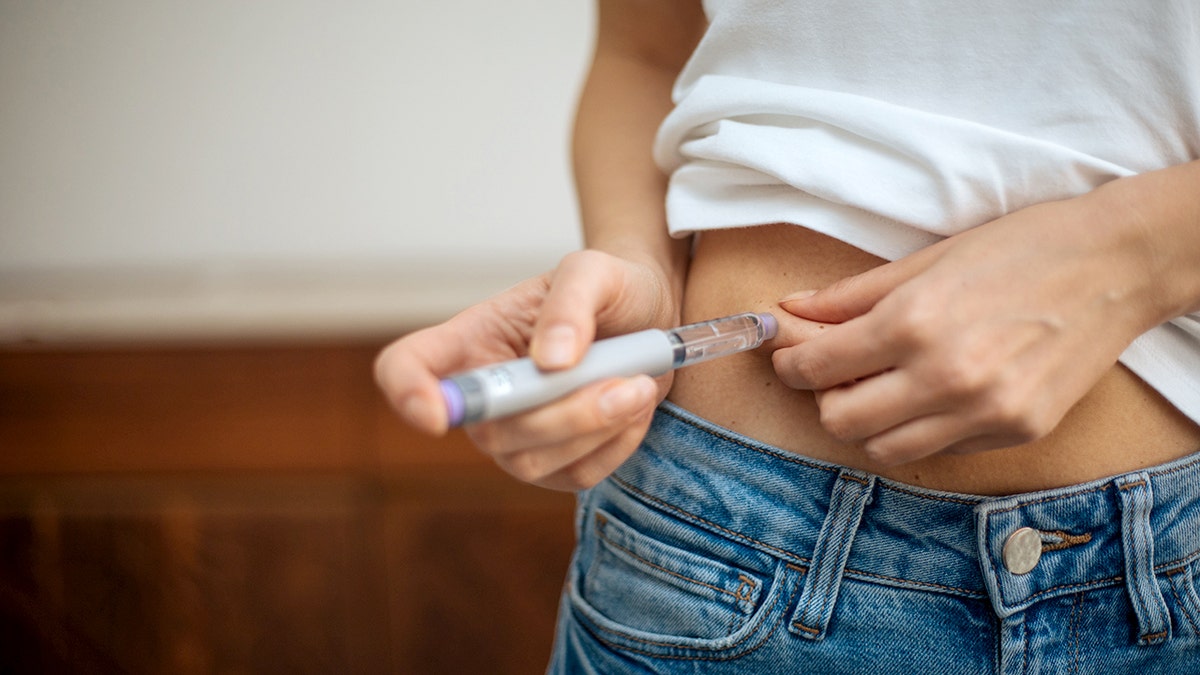
“GLP-3” dosages will most likely be once weekly, according to sources.(iStock)
Side effects are reportedly similar toGLP-1 medications, most commonly including gastrointestinal complications like nausea, vomiting and diarrhea.Heart rate increases were noted, depending on the dose.
How it’s different
Retatrutide mimics three natural hormones found in the body, compared to GLP-1s that simulate just one hormone, according to a report by GoodRx pharmacists.
GIP and GLP-1 hormones signal the pancreas to release insulin after eating, whileslowing digestionto help initiate feelings of fullness.
NEW WEGOVY PILL OFFERS NEEDLE-FREE WEIGHT LOSS — BUT MAY NOT WORK FOR EVERYONE
These hormones target the area of the brain that regulates appetite and influencesfood cravings, the report noted.
The third hormone, glucagon, speeds up metabolism and helps the body break down fat cells for energy.That hormone also tells the liver to make new sugar, which is kept in check by GIP and GLP-1 activity, preventing blood sugar spikes.

Participants in the phase 3 trial saw an average weight loss of 71.8 pounds.(iStock)
“This added metabolism boost can add to and complement GIP’s and GLP-1’s actions.And that’s why it seems to provide significant weight loss,” the GoodRx website states.“If approved, retatrutide will be the first in a new class of medications.”
Eli Lilly announced results from its phase 3 trial TRIUMPH-4 in December, testing retatrutide’s effect on weight loss and otherhealth conditions.
knee arthritiswho took a 12-mg dose of retatrutide saw an average weight loss of 71.8 lbs (28.7%) at 68 weeks.
The drug also reduced Western Ontario and McMaster Universities Osteoarthritis Index (WOMAC) pain scores by an average of 75.8%, marking “significant improvements” in comfort level and physical function, according to a press release.
knee painat the end of the trial.
Seven additional phase 3 trials for retatrutide are expected to wrap up in 2026.The drug could see FDA approval in 2027, according to GoodRx.
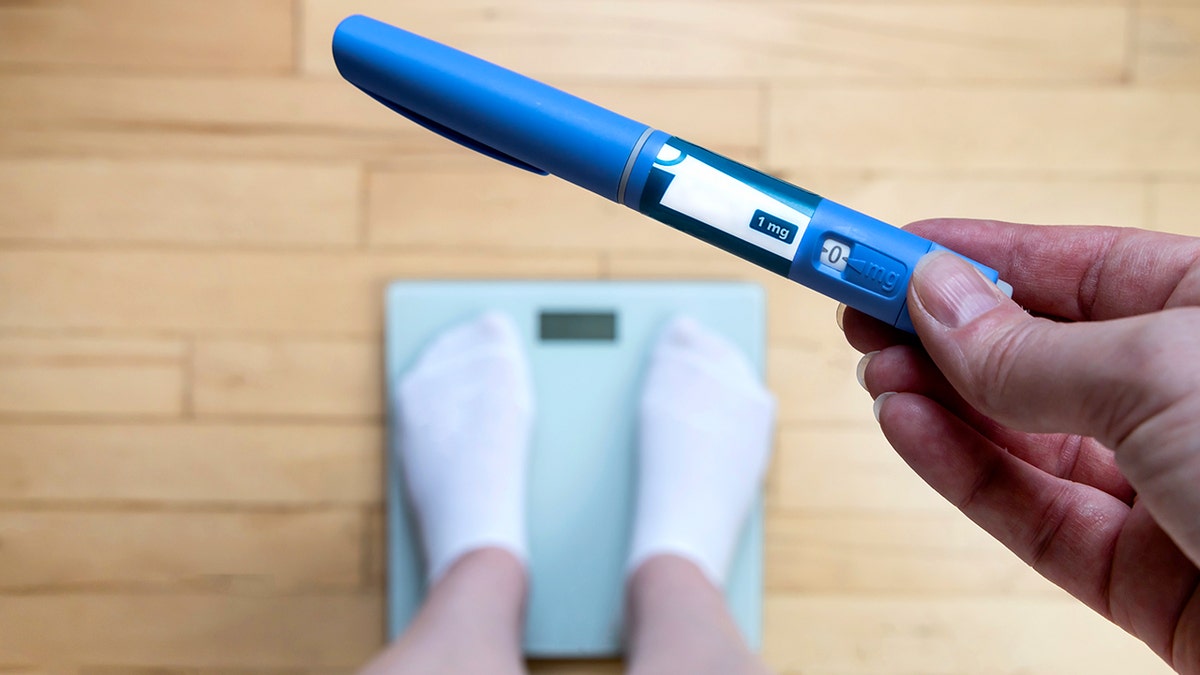
Retatrutide patients with knee osteoarthritis reported an improvement in pain after 68 weeks of taking the drug.(iStock)
“We are encouraged by the results of TRIUMPH-4, which highlight the powerful effect of retatrutide, a first-in-class triple agonist, on body weight, pain and physical function,” Kenneth Custer, Ph.D., executive vice president and president of Lilly Cardiometabolic Health, wrote in a statement.
onelink.me/xLDS?pid=AppArticleLink&af_web_dp=https%3A%2F%2Fwww.
“With seven additional phase 3 readouts expected in 2026, we believe retatrutide could become an important option for patients with significant weight loss needs and certain complications, includingknee osteoarthritis.”
Despite limited data availability on the drug, the medication could also be applied to treat other conditions liketype 2 diabetes, kidney disease, cardiovascular risk reduction and metabolic dysfunction, according to GoodRx and other experts.
Marc Siegel noted that Lilly’s Zepbound and Mounjaro already target two metabolic pathways — GLP-1 and GIP — which work together to promote weight loss, reduce hunger and inflammation, improve insulin function and slow digestion.
The doctor confirmed that the new drug, with its third receptor agonist, will further decrease hunger while increasing the feeling of fullness.
TEST YOURSELF WITH OUR LATEST LIFESTYLE QUIZ
“The weight loss in clinical trials is even more substantial, and the most likely reason that it decreasesorthopedic problemsis because of the weight loss — less stress on the joints and the decreased inflammation,” Siegel added.
The most common side effect of GLP-3s is gastrointestinal symptoms, the doctor confirmed.Rarer side effects may include pancreatitis, gallstones and heart arrhythmia.
![[aggregator] downloaded image for imported item #22232](https://newsview.top/wp-content/uploads/2026/01/wrigleys-chewing-gum-delivery-cart-1024x576.jpg "Study reveals why chewing gum might actually help with focus and stress relief")
![[aggregator] downloaded image for imported item #22404](https://newsview.top/wp-content/uploads/2026/01/man-struggles-sleeping-1024x576.jpg "Missing sleep may take a hidden toll on your brain and longevity, research reveals")
![[aggregator] downloaded image for imported item #22964](https://newsview.top/wp-content/uploads/2026/01/masked-people-talking-hotel-lobby-flu-spread-1024x576.jpg "Researchers locked flu patients in a hotel with healthy adults — no one got sick")