This post was originally published on this site.
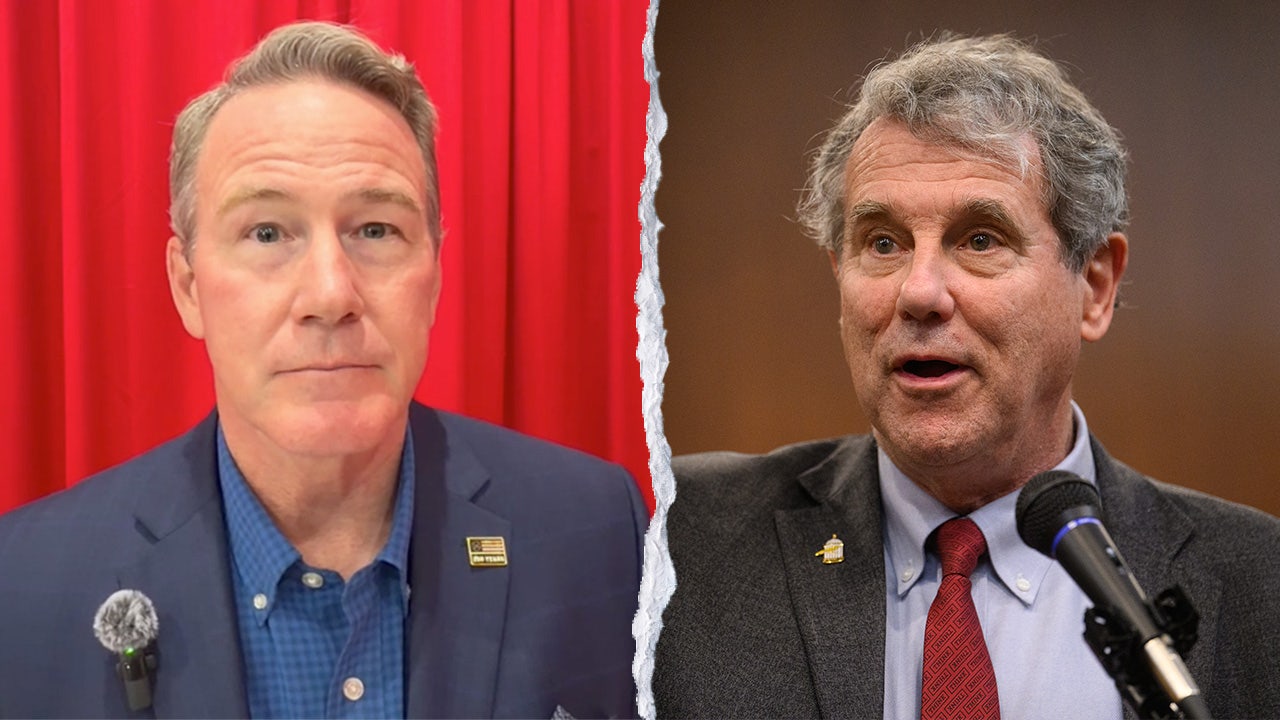
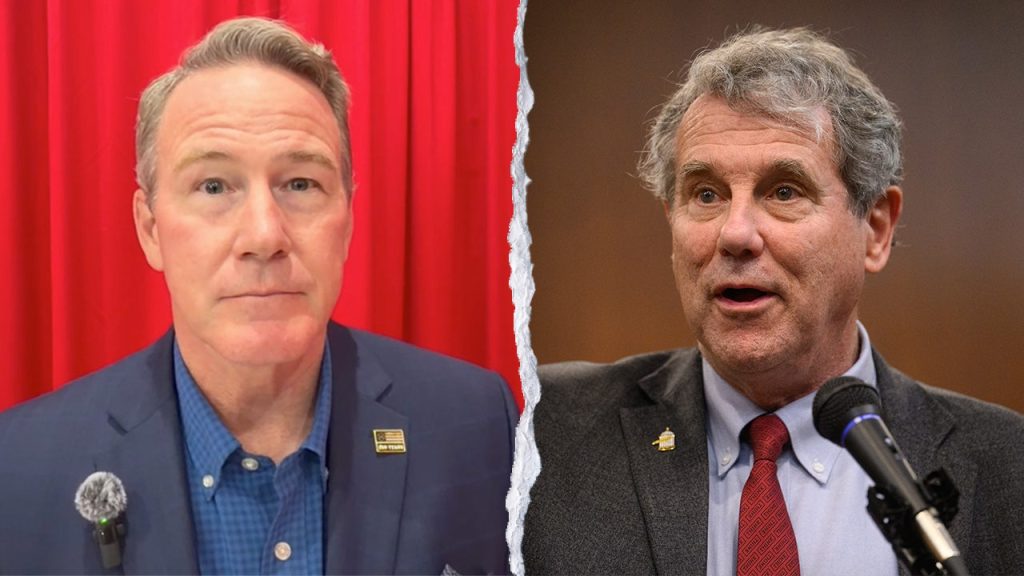
Powered by a clear favorability advantage, a large gender gap and voter discontent with both household finances and President Donald Trump, former Democratic Sen.Sherrod Brown has the edge over appointed Republican Sen.Jon Husted in the Ohio Senate race.
ABrown’s advantage is anchored by his stronger personal standing, with his favorability rating 2 points above water (50% favorable, 48% unfavorable), while Husted’s rating sits 13 points underwater (42% favorable, 55% unfavorable).
Read More → Massive 7.7 magnitude earthquake strikes Panama as officials investigate potential tsunami threat
More Brown supporters (88%) than Husted backers (83%) say they’re certain of their vote.
Thepresident’s standing in Ohioadds to Husted’s difficulties.Trump won the Buckeye State with 55% of the vote in 2024, but just 43% now approve of his job performance.A 57% majority disapproves, with 46% saying they “strongly” disapprove.
Meanwhile, 52% express concern that Husted is too close to Trump, including 38% who are extremely concerned.Brown faces similar concerns about being too liberal, as 50% are worried, though fewer, 30%, are extremely concerned.
In the matchup, women favor Brown by 14 points, while men support Husted by 4, an 18-point gender gap.Brown also has advantages among voters under 35, voters with a college degree, union voters and those living in urban and suburban areas.Husted relies on rural communities, non-college White men and married voters and has a narrow edge among those ages 65 and up.
Partisan crossovers further tilt the field toward the challenger.While Husted receives 90% of Republicans, 9% cross over to back Brown.Some 97% ofDemocratssupport Brown, while just 2% choose Husted, and Brown carries independents by nearly two to one.
Voters who view bothSenatecandidates unfavorably prefer Husted by nearly 20 points.
Brown is up by 9 points among those who are extremely interested in the election and leads by 29 points among the 15% of Ohioans who say they have already voted.
Legislative preference tilts toward the Democrats, with Ohioans dividing 50% for Democratic control of the U.S.Senate and 48% for Republican control.
In the governor’s contest, likely voters favor DemocratAmy Acton over Republican Vivek Ramaswamyby 50% to 48%.Women favor Acton by 10 points, while men back Ramaswamy by 7, a nearly identical gender gap to the Senate race.
pdf" target="_blank" rel="noopener">CROSSTABSANDTOPLINE
Ticket splitting goes in both directions: 8% of Brown supporters cross over to Ramaswamy, while 6% of Husted supporters back Acton.
The survey was completed before a negative television ad from Ramaswamy’s campaign featuring Acton’s estranged mother became public.
Conducted October 15-19, 2026, under the joint direction of Beacon Research (D) and Shaw &Respondents spoke with live interviewers on landlines (219) and cellphones (1,306) or completed the survey online after receiving a text message (480).Results based on the registered voter sample have a margin of sampling error of ±2 percentage points, and, for the subsample of 1,592 likely voters, it is ±2 percentage points.
Sampling error for results among subgroups is higher.In addition to sampling error, question wording and order can influence results.Weights are generally applied to age, race, education and area variables to ensure the demographics of respondents are representative of the registered voter population.Likely voters are based on a probabilistic statistical model that relies on past vote history, interest in the current election, intention to vote, age, education, race, ethnicity, and marital status.Results among subgroups are only shown when the sample size is at least N=100.
� Victoria Balara contributed to this report.