
This post was originally published on this site.
Presley Gerber’s death at age 27 has renewed questions about overdose risk, withdrawal complications and the challenges of addiction recovery.
The son of modelCindy Crawfordand businessman Rande Gerber died Sunday at a California rehabilitation facility, according to Los Angeles County Medical Examiner’s Office records.
Presley’s death was confirmed by his mother“The family is asking for privacy during this very difficult and painful time.”
CINDY CRAWFORD’S SON PRESLEY GERBER SAID HE WAS ‘TERRIFIED’ IN RAW ADDICTION POST MONTHS BEFORE DEATH AT 27
While an official cause of death has not yet been confirmed, audio recordings obtained by People suggest that police received a 911 call Sunday morning reporting acardiac arrestat a facility in the 1000 block of Berkeley Street.A separate dispatch identified the response as a potential overdose.
The Los Angeles County Medical Examiner’s Office later confirmed that an autopsy had been completed, but the cause of death remained undetermined pending further testing.
Gerber had spoken publicly over the years about his struggles with substance use andmental health.
Nicholas Kardaris, Ph.D., CEO and chief clinical officer of the New York Center for Living in Manhattan and a clinical professor at Stony Brook Medicine�com/family" target="_blank" rel="noopener noreferrer">familiesshould know about relapse, overdose risk and seeking help for a loved one.
Recovery’s hidden risks
As Gerber’s officialcause of deathhas not yet been released, Kardaris — who has not treated Presley Gerber and is not connected to the case — cautioned against drawing conclusions from the fact that he died at a rehabilitation facility.
Possible explanations could include an acute medical or cardiac event, an undiagnosed condition or a medication-related complication, he said.
ARRESTS IN MATTHEW PERRY’S DEATH PUT SPOTLIGHT ON KETAMINE DANGERS
People in residential treatment facilities may have complexmedical histories, and some conditions may not be immediately apparent when someone enters a program.
“Younger people can sometimes die suddenly, and we don’t know whether they had an underlying medical issue,” Kardaris said.
“It’s not impossible to have a medication-related event, particularly if someone has an underlyingheart disorder,” he continued.“Certain medications can trigger a cardiac episode.”

Presley Gerber’s death at age 27 has renewed questions about overdose risk, withdrawal complications and the challenges of addiction recovery.(Instagram/David M.Benett/Dave Benett/Getty Images)
Entering treatment does not necessarily mean that a person’s issues have been resolved or that no danger exists, Kardaris emphasized.
“People are in rehab because they’re struggling with addiction.It doesn’t mean they’re cured of their addiction,” he said.
While treatment facilities work to create a controlled environment, they cannot eliminate every risk associated withaddiction, withdrawal, relapse or medical complications, according to Kardaris.
“Facilities take great pains to make sure substances don’t come in, but it’s not a perfect system.”
He stressed that this is a general observation about treatment settings and not an indication of what occurred in Gerber’s case.
When withdrawal poses a risk
Another potential risk during rehab is withdrawal itself, which can range from uncomfortable to life-threatening depending on thesubstance involvedand the person’s level of physical dependence, according to Kardaris.
“People can die from withdrawal, but the substances that are most dangerous to withdraw [from] without proper medical supervision are benzodiazepines, such as Valium or Xanax,and alcohol,�
While opioid withdrawal can be extremely uncomfortable, it is generally not fatal by itself, the expert said.

Rande Gerber, daughter Kaia Gerber, Cindy Crawford and son Presley Gerber attend The Fashion Awards 2018 in partnership with Swarovski at Royal Albert Hall on Dec.10, 2018, in London, England.(Getty Images)
Benzodiazepine withdrawalcan trigger seizures, delirium and other life-threatening complications.The FDA warns that abruptly stopping or reducing drugs such as Xanax or Valium too quickly can cause serious withdrawal reactions, including seizures.
“Someone might disclose heroin use but not mention that they’re also withdrawing from a benzodiazepine, such as Valium,” Kardaris noted.“If they don’t receive medication to treat that withdrawal, they can have a seizure that can lead to fatal complications.”
“People are in rehab because they’re struggling with addiction.It doesn’t mean they’re cured of their addiction.”
One of the most dangerous periods for someone withopioid use disordermay come after detox because a person’s tolerance may have decreased — increasing the risk of overdose if they return to a previously used amount, he added.
“If someone relapses after rehab, they may use the same amount they were using before treatment — but their tolerance has gone down, and that amount can now be fatal.”
What to know about ibogaine
Gerber had previously posted on social media about undergoing anibogaine treatmentin Mexico.Kardaris cautioned that ibogaine is not FDA-approved for any medical use in the U.S.
Although it has been studied experimentally as a possible treatment for opioid use disorder, its safety and effectiveness remain uncertain.Kardaris grouped ibogaine with other psychedelic or psychoactive substances that have drawn public interest.

The son of model Cindy Crawford and businessman Rande Gerber died Sunday at a California rehabilitation facility, according to Los Angeles County Medical Examiner’s Office records.(Paul Archuleta)
“Ketamine, ayahuasca and ibogaine arepsychoactive or psychedelic treatmentsthat have become increasingly popular,” he said.“There is some research indicating potential benefits, but they remain largely unregulated.”
onelink.me/xLDS?pid=AppArticleLink&af_web_dp=https%3A%2F%2Fwww.
Ketamine is FDA-approved as an anesthetic but is not approved to treat psychiatric disorders, although some clinicians use it off-label in mental health settings.
Ibogaine and ayahuasca are not FDA-approved treatments in the U.S., and the evidence andregulatory oversightvary considerably among these substances.
Overall, Kardaris described the field as unsettled.“It’s a bit of the Wild West right now.”

Families should investigate a treatment center and make sure it is licensed before enrolling a loved one in such a facility, an expert advised.(iStock)
He emphasized, however, that Gerber’s prior ibogaine treatment does not establish which substances he may have used and should not be interpreted as evidence of what caused his death.
How families can vet a treatment program
Families should investigate a treatment center and make sure it is licensed before enrolling a loved one, Kardaris advised.
TEST YOURSELF WITH OUR LATEST LIFESTYLE QUIZ
That includes confirming that qualified medical professionals are involved in patient care and that the facility has appropriate protocols for withdrawal, medication management and emergencies.
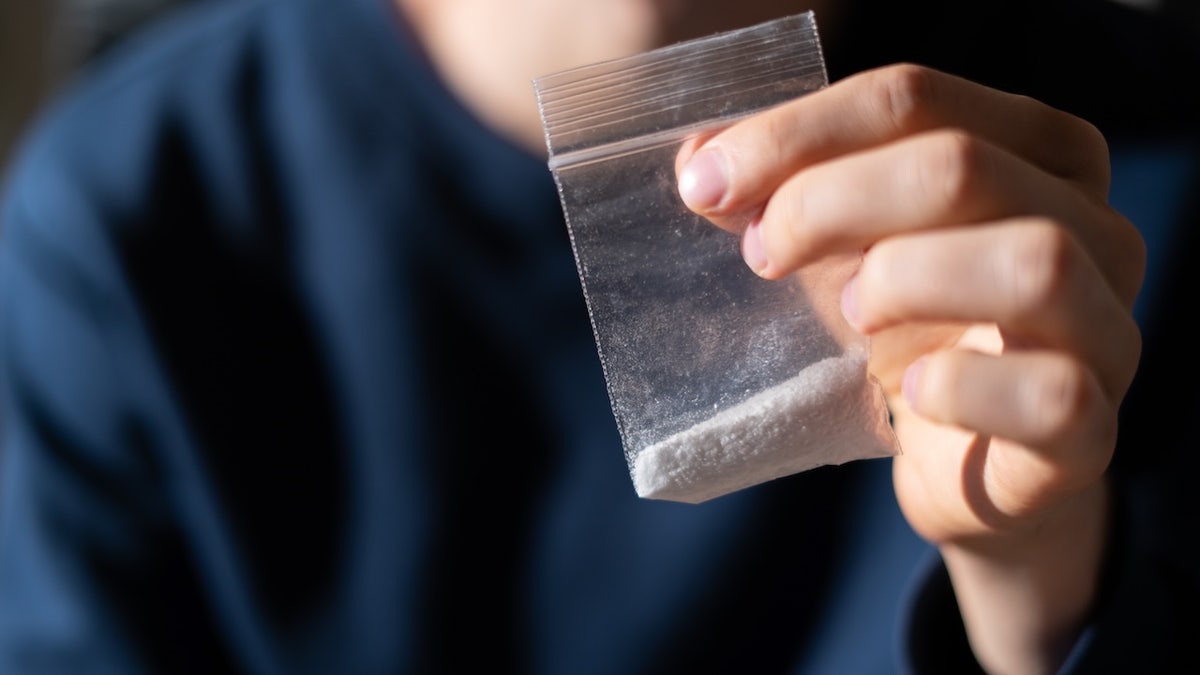
“If someone relapses after rehab, they may use the same amount they were using before treatment — but their tolerance has gone down, and that amount can now be fatal,�(iStock)
“Families should make surelicensed professionalsare working there and that the program has a strong reputation,” he said.
“There are bad actors in every profession — so families should look for a well-regarded treatment program with qualified people who know what they’re doing.”