
![[aggregator] downloaded image for imported item #125838](https://newsview.top/wp-content/uploads/2026/09/sisters-Rahimi-Iran-Protesters-1024x576.jpg "Iran's regime came for teenage twins. Their fate offers a glimpse of Tehran's widening death campaign")
This post was originally published on this site.
Taraneh and Romina Rahimi were 19, still in high school and living with their mother when masked men came for them in the middle of the night.
According to their U.S.-based cousin, the twin sisters were dragged from their beds with bags placed over their heads about a month after they joined anti-regime protests in Isfahan.Their family was given no explanation and spent months searching courts, hospitals and government offices trying to determine where they had been taken.
Four months later, their mother, Marzieh Nourmohammadi, was finally allowed to see them at Dowlatabad Prison.She barely recognized her daughters.
ONE GLARING ISSUE GOES UNADDRESSED IN UN CHIEF’S HIGH-STAKES TALKS WITH IRAN’S PRESIDENT
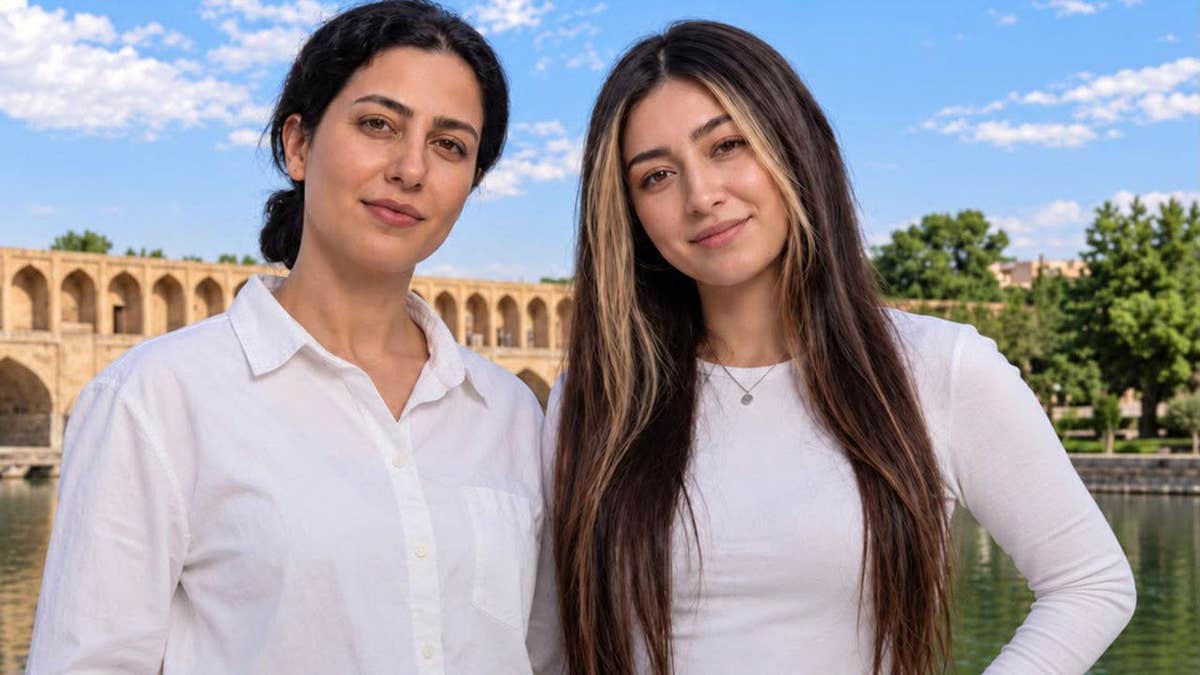
Iranian twins Taraneh and Romina Rahimi were arrested after joining anti-regime protests in Isfahan, Iran.Taraneh has been sentenced to death, while Romina faces decades in prison.(HANA)
Their cousin, Masoud Nourmohammadi, told The Guardian that the twins had badly swollen and bruised faces, injuries to their elbows, hands and feet, and significant hair loss that he said resulted from guards pulling them by their hair as they were moved between cells.He said their mother also learned that the sisters had been held in solitary confinement.
Now 20,Taraneh Rahimi faces executionover her alleged role in the January protests, while her twin sister could spend decades in prison, in a case unfolding amid a sharp rise in Iran’s use of the death penalty.
Human Rights Activists News Agency (HRANA)reportedthat Taraneh was sentenced to death and an additional 11 years in prison, while Romina received a 36-year sentence.The sentences were issued by Branch 1 of the Isfahan Revolutionary Court and remain initial-stage verdicts.
The twins are among 16 defendants prosecuted in what has become known as the “Isfahan Shohada Square” case.HRANA said 10 defendants received death sentences and the 16 defendants collectively received 256 years in prison.
The sisters’ family says the abuse was intended to force confessions.
IRAN JAILS PSYCHOLOGIST OVER TRUMP PLEA AS REGIME DEMANDS HE MAKE AMERICANS ‘LOOK STUPID’: FAMILY
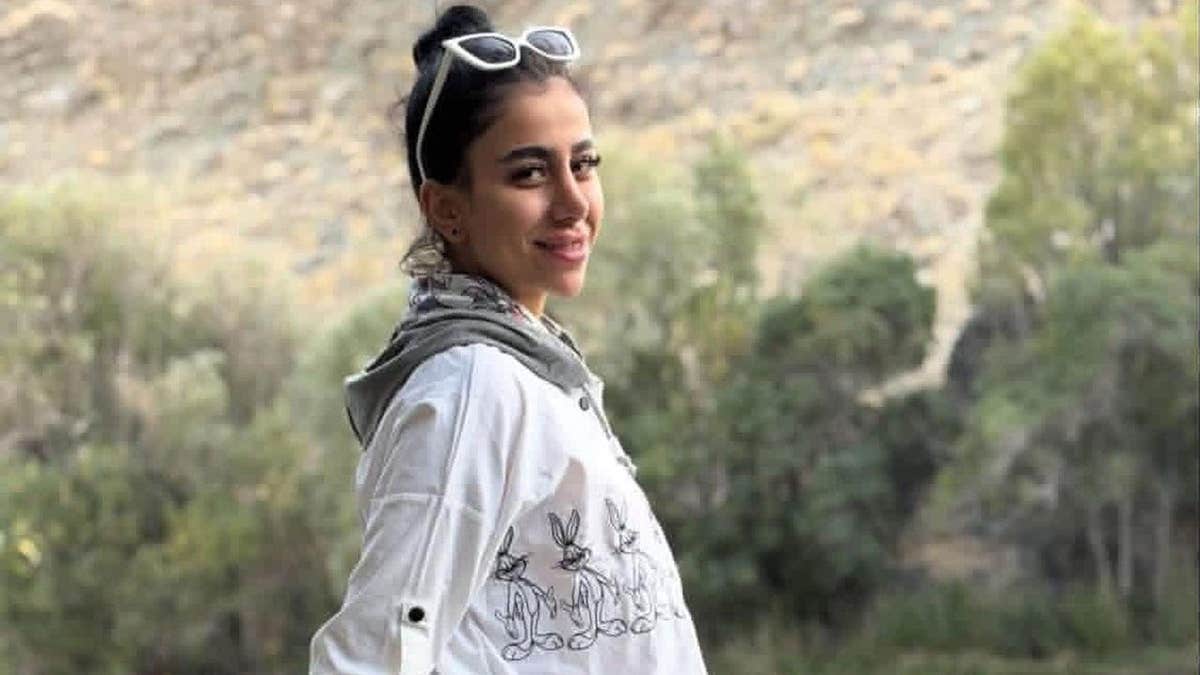
Taraneh Rahimi, 20, has been sentenced to death over her alleged role in anti-regime protests in Isfahan, Iran.Her family says she was tortured in custody and forced to confess.(HANA)
Nourmohammaditold The Guardianthat Taraneh was threatened that prison guards would rape Romina in front of her unless she signed a confession.The outlet reported that Taraneh later told the court that admissions attributed to her had been obtained through torture.Her mother was not permitted to attend the trial, according to the family.
Radio Farda separatelyreported, citing Nourmohammadi, that the sisters suffered physical and psychological abuse and were forced to confess to accusations they deny.
Concerns about torture extend beyond the sisters.HRANA reportedthat another defendant in the same case, Ahmadreza Saeidi, told judges during the hearing that the investigating judge personally used an electric stun gun on his neck and genitals.Defense lawyers also reportedly complained that they had not been given access to substantial portions of the case file or adequate time to examine evidence before trial.
The sentences come as rights organizations document asharp rise in executions across Iran.
COULD NARGES MOHAMMADI UNITE IRAN’S OPPOSITION?HUSBAND SAYS IMPRISONED NOBEL LAUREATE STILL FIGHTING

A picture of Nobel Peace Prize winner Narges Mohammadi on the wall of the Grand Hotel in central Oslo before the Nobel banquet, in connection with the awarding of the Nobel Peace Prize 2023, in Oslo, Norway, Dec.10, 2023.(NTB/Javad Parsa via Reuters)
The Washington-based Abdorrahman Boroumand Center for Human Rights in Irandocumented901 executions during the first seven months of 2026, including 56 people executed on political or national-security charges.
“Despite the war in the region, despite the drone war, the missile war, the war over the Strait of Hormuz, the real war is the one that’s happening on a day-to-day basis inside theIslamic Republic,” Ben Taleblu said.“The Islamic Republic is quite literally cracking skulls, cracking down on civil society, on dissidents, on protesters.”
Among those imprisoned in Iran’s broader crackdown is
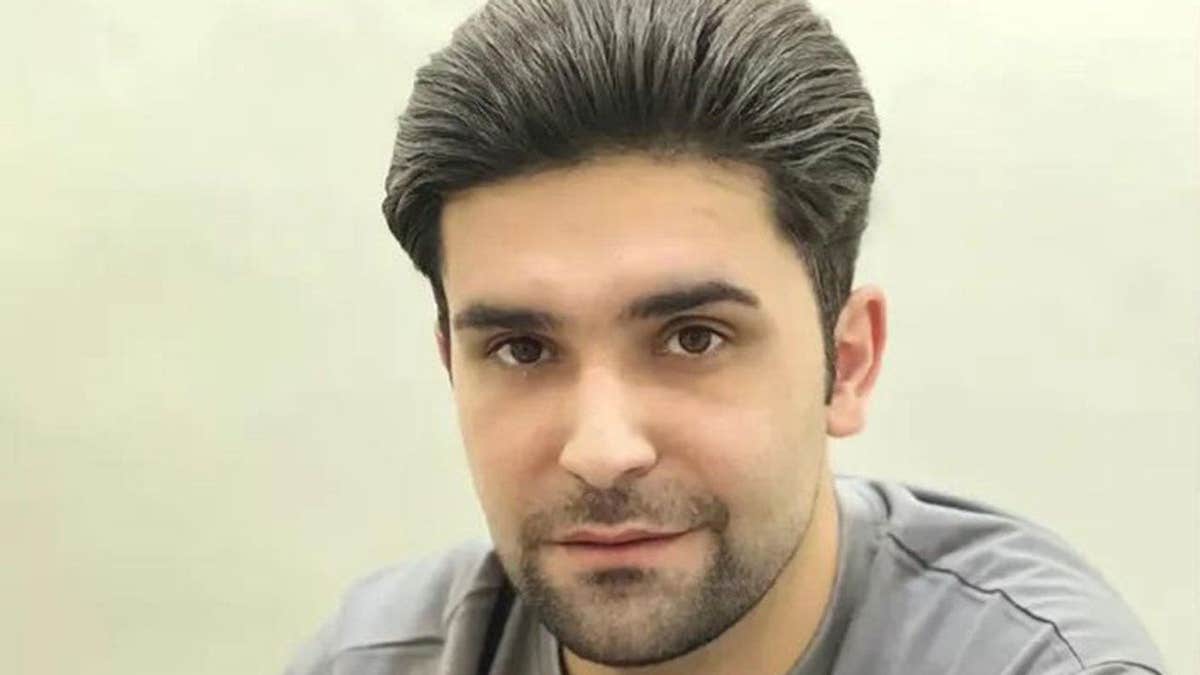
Seyed Ahmad Seyedabdollahi, a 32-year-old Iranian psychologist, who addressed President Donald Trump in an English-language video posted on Jan.4, 2026, urging him to follow through on his pledge to support Iranian protesters.Seyedabdollahi was arrested 10 days later and was subsequently sentenced to seven months in prison.
Seyedabdollahi posted an English-language video on Jan.�s previous reporting.He was arrested 10 days later and ultimately sentenced to seven months in prison and barred from government and public services for five years.
com/world/freed-american-reveals-brutal-iran-prison-ordeal-warns-hostages-face-greater-danger" target="_blank" rel="noopener noreferrer">solitary confinement and torture.
The Hana Human Rights Organization reportedAug.9 that Seyedabdollahi had been held in Borujen Prison since July 7 and that authorities opened a second case against him on a charge of “propaganda against the system of the Islamic Republic.” Hana also confirmed that he was serving a seven-month sentence and had received a five-year disqualification from public and governmental services.
�foreign agent” paid by the U.S.government.They also said authorities revoked his professional license, adding financial pressure on his family.
Ben Taleblu said Tehran has followed a similar pattern after previous periods of external conflict, turning its attention inward against perceived opponents.
INSIDE TEHRAN: IRANIANS DESCRIBE IRGC’S BRUTAL RULE, POVERTY — ASK TRUMP TO ‘STAY THE COURSE’
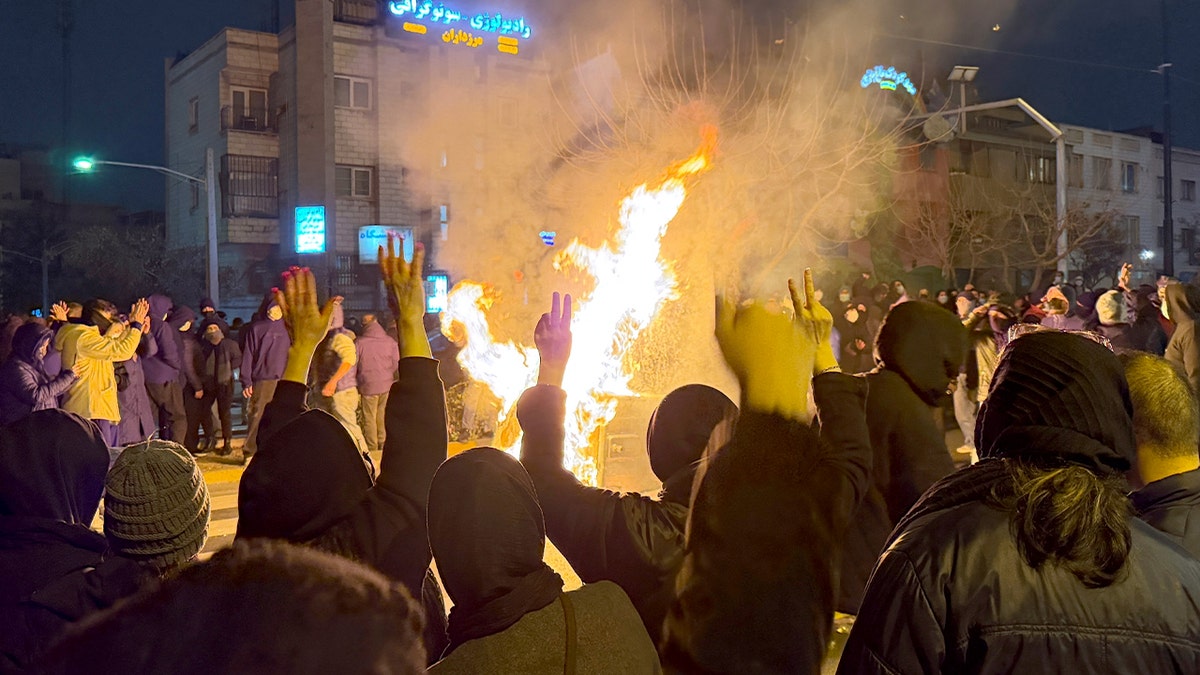
Iranians attend an anti-government protest in Tehran, Iran, Jan.9, 2026.(UGC via AP)
“We saw this trend in the aftermath of the 12-day war as well,” Ben Taleblu said.“Lose a war abroad, come home and pretend like you’re the victor.”
“Simply here, the Islamic Republic is continuing the longest war it’s ever fought, which is the 47-year war against the Iranian people,” he added.
Wednesday marks four years since the Sept.16, 2022, death ofMahsa Amini, a 22-year-old Kurdish Iranian woman who was detained three days earlier by Iran’s morality police over what authorities described as “improper hijab.” Her death sparked nationwide protests that became known internationally as the “Woman, Life, Freedom” movement.The U.N.said reports that Amini had been beaten in custody warranted an independent investigation, while Iranian authorities maintained that she died of “natural causes.”
‘KILLING OFF THE COUNTRY’: IRAN EXECUTES DOZENS, ARRESTS 4,000-PLUS IN WAR CRACKDOWN
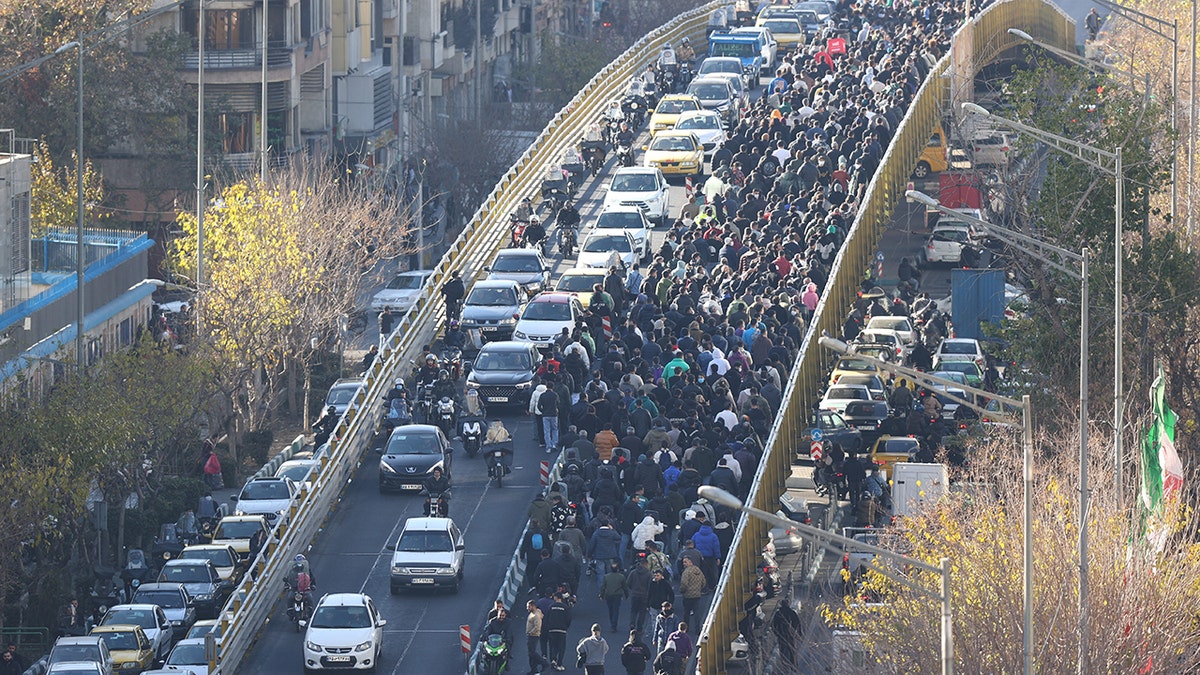
Protesters march in downtown Tehran, Iran, Monday, Dec.29, 2025.(Fars News Agency via AP)
The 2022 uprising was itself part of a longer cycle of unrest.Nationwide demonstrations beginning in December 2017 rapidly spread across Iran and represented the largest challenge to the government since the 2009 Green Movement.The 2017-18 protests were followed by another major nationwide wave in 2019 and then the 2022 Woman, Life, Freedom uprising.
Ben Taleblu argued that whenever another major protest movement emerges, Western governments should be prepared to help Iranians communicate with one another and the outside world, particularly when authorities shut down internet access.
“We know every single time another major protest is happening, the way the regime cracks down is to first turn off the internet,” he said.“That means the regime fears what comes of coordination between Iranians and fears what comes of when the Iranians are able to send their message outside to the international community.”
onelink.me/xLDS?pid=AppArticleLink&af_web_dp=https%3A%2F%2Fwww.
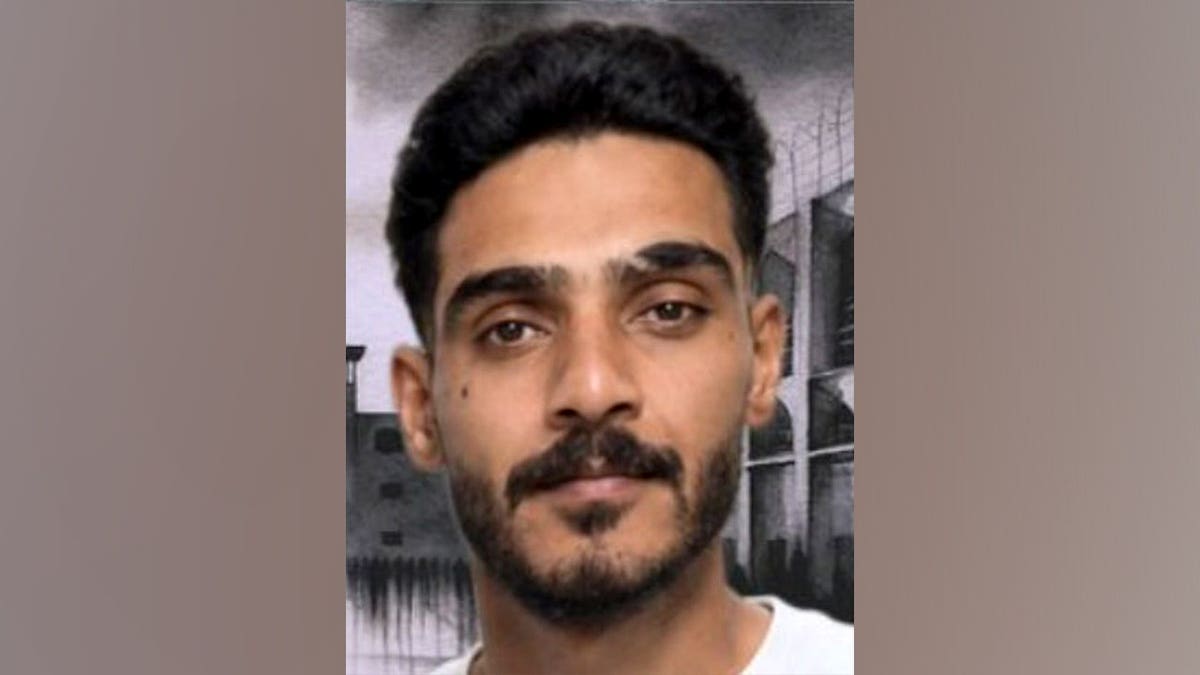
Amirhossein Safari Hosseinabadi was hanged Tuesday in Isfahan’s Shahid Alikhani Square — the same location where he had joined anti-government demonstrations months earlier.(HRANA)
“The partners of the Iranian people, America, Israel, the West, these are largely all cyber superpowers,” Ben Taleblu said.“We should not let the Iranian people continue to die in the darkness.”
![[aggregator] downloaded image for imported item #115079](https://newsview.top/wp-content/uploads/2026/08/Mecca-Pact-2026-1024x576.jpg "New power axis in the making? Three military heavyweights lock arms, complicating Abraham Accords strategy")
![[aggregator] downloaded image for imported item #115072](https://newsview.top/wp-content/uploads/2026/08/Putin-Navy-Drill-1024x576.jpg "Ukraine pounds Black Sea Fleet’s ‘last major stronghold’ while Putin flexes naval power in Pacific")
![[aggregator] downloaded image for imported item #115624](https://newsview.top/wp-content/uploads/2026/08/Lisa_Smart-1024x576.jpg "UK ‘in free fall’ on free speech, expert warns as British MP brands Trump admin grant 'MAGA money meddling'")
![[aggregator] downloaded image for imported item #115615](https://newsview.top/wp-content/uploads/2026/08/gaza-aid-delivery-tps-il-1-1024x576.jpg "UNICEF Gaza findings ‘completely shatters’ starvation claims against Israel, State Dept says")