
![[aggregator] downloaded image for imported item #125461](https://newsview.top/wp-content/uploads/2026/09/glp1-injection-weight-loss-1024x576.jpg "Popular GLP-1 weight-loss drugs linked to potentially deadly brain disorder")
This post was originally published on this site.
Dr.Marc Siegel analyzes new study suggesting GLP-1 may slow down aging
Marc Siegel joins �Friends’ to discuss a recent University of California San Diego study regarding the effects of GLP-1 weight loss medication on the biological aging process.Siegel outlines the potential cardiovascular and neurological benefits of the drug while noting side effects related to digestion and thyroid function.
Researchers are warning about a rare but potentially life-threatening brain condition that may be linked to popularGLP-1 weight-loss medications.
A new study, published in Clinical Nutrition, identified 15 reported cases of Wernicke encephalopathy, a neurological disorder caused by severe vitamin B1 deficiency, in people taking GLP-1 receptor agonists.
Most of the reported cases involved semaglutide, sold under the brand names Ozempic and Wegovy, or tirzepatide, sold as Mounjaro and Zepbound.
DOCTORS REVEAL HIDDEN DANGER FOR SOME OZEMPIC, WEGOVY USERS WITH BRAIN DISORDERS
Researchers found 15 cases through the FDA’s Adverse Event Reporting System (FAERS), published medical literature and their own medical center.
Most patients reported gastrointestinal symptoms or nutritional issues, includingweight loss, vomiting, loss of appetite or malnutrition, the study noted.

Researchers are warning about a rare but potentially life-threatening brain condition that may be linked to popular GLP-1 weight-loss medications.(iStock)
Reports of the disorder appeared more often among people takingGLP-1 medicationsthan among those taking other drugs, the researchers found.They emphasized, however, that the study cannot prove the medications caused the condition.
Vitamin B1 plays an important role in brain function, the researchers said.Severe deficiencies can cause confusion, trouble walking, balance problems and vision changes.If left untreated, the condition can lead to permanent neurological damage or death.
Karthik Achari, a Chicago-based clinician and founder of PepMD who was not involved in the study, said the findings should be viewed in perspective.
“Researchers went through adverse event reports and themedical literatureand found a small number of cases, 15, of Wernicke encephalopathy in people taking GLP-1 drugs,�“That’s out of millions of people on these medications.So this is rare.”
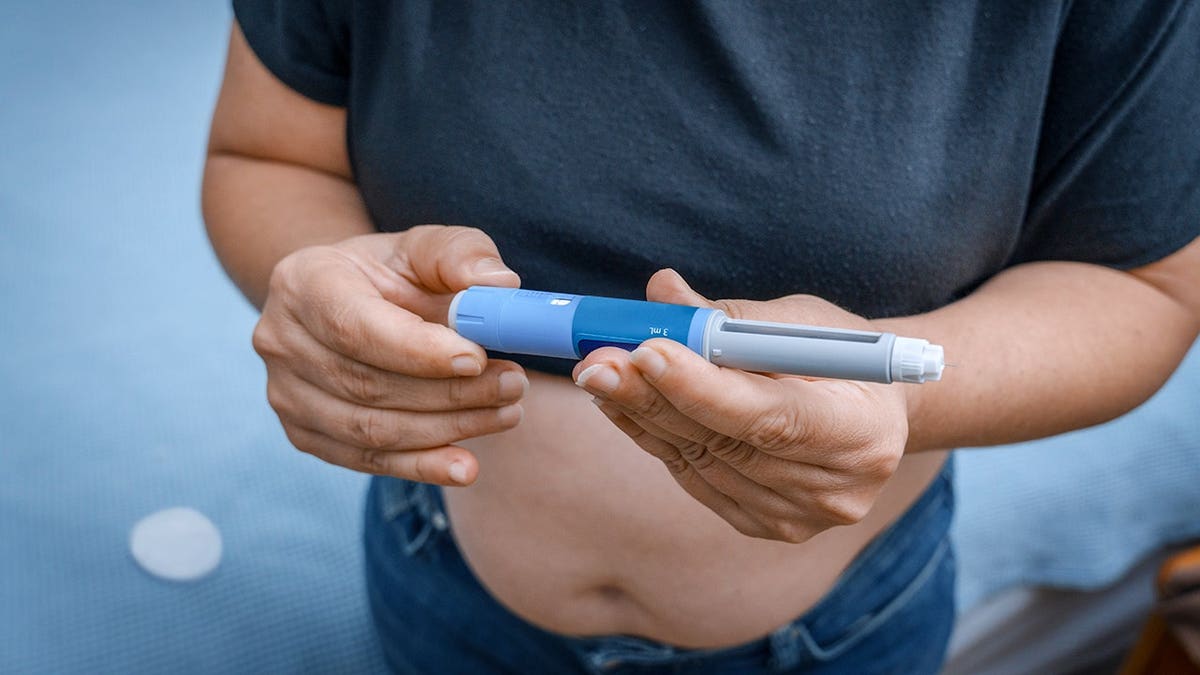
Researchers identified 15 cases, finding that most patients experienced gastrointestinal symptoms or nutritional issues, including weight loss, vomiting, loss of appetite or malnutrition.(iStock)
“But it’s real, it’s serious, and the mechanism makes sense,” he added.
GLP-1 medications can reduce appetite while also causing nausea and vomiting, making it easier for some people to become deficient in vitamin B1, Achari said.
“The drug shrinks your appetite.It doesn’t shrink your body’s requirements,” he said.“You can now eat very little without feeling it, which is the point of the medication, but your need for protein, vitamins, and fluids didn’t go anywhere.”
People with persistent nausea and vomiting, those losing weight very quickly while eating little, people with a history of bariatric surgery and those whouse alcohol heavilymay face a higher risk, Achari said.

The medications suppress appetite, experts say, but the body’s requirements for nutrients and hydration remain the same.(iStock)
Erin Palinski-Wade, a New Jersey-based nutritionist and author of “The Sleepdemic Solution,” saidproper nutrition and hydrationshould be considered part of treatment while taking GLP-1 medications.
“GLP-1 medications can dramatically reduce appetite, but that also means people may unintentionally under-eat the very things their bodies need most, especially protein, fiber and fluids,�
TEST YOURSELF WITH OUR LATEST LIFESTYLE QUIZ
Palinski-Wade said ongoing vomiting or diarrhea can increase the risk of dehydration and kidney problems.She urged patients to seekmedical guidanceif those symptoms continue for roughly 24 hours.
“Don’t assume every side effect is just part of being on a GLP-1,” Palinski-Wade said.“Severe or persistent symptoms deserve attention.”
The researchers acknowledged that the study relied largely on reports submitted to the FDA and cannot prove GLP-1 medications caused the condition.They called for additional research, and experts said patients should not stop taking prescribed GLP-1 medications based on these findings alone.
onelink.me/xLDS?pid=AppArticleLink&af_web_dp=https%3A%2F%2Fwww.
![[aggregator] downloaded image for imported item #105498](https://newsview.top/wp-content/uploads/2026/07/man-asleep-bed-1024x576.jpg "The daytime habit that could transform your sleep, according to new study")
![[aggregator] downloaded image for imported item #105872](https://newsview.top/wp-content/uploads/2026/07/defense-hegseth-senate-committee-capitol-hill-04-30-2026-fox-news-1024x576.jpg "Low testosterone? Hegseth sparks conversation as doctors reveal warning signs every man should know")
![[aggregator] downloaded image for imported item #106025](https://newsview.top/wp-content/uploads/2026/07/man-entering-mri-1024x576.jpg "Brain tumor found during preventive scan puts full-body MRIs back in the spotlight")
![[aggregator] downloaded image for imported item #106249](https://newsview.top/wp-content/uploads/2026/07/kai-trump-golfing-1024x576.jpg "Kai Trump reveals diet and nutrition secrets that created six-pack abs post-surgery")