
![[aggregator] downloaded image for imported item #116005](https://newsview.top/wp-content/uploads/2026/08/SMALLPOX-STUDY-AMERICAS-VIRUS-HISTORY-DISCOVERY-ARCHAEOLOGY-1-1024x576.jpg "Ancient mummy DNA reveals chilling clue to deadly disease that swept the Americas")
This post was originally published on this site.
DNA recovered from centuries-old mummiesin Chilehas provided the strongest evidence yet that smallpox arrived in the Americas after European colonization.
The recent research, published in the journal Science, centers on Chilean mummies whose ancient DNA yielded evidence of smallpox infections dating to the early colonial period.
Geneticist Shigeki Nakagome of Trinity College Dublin and his colleagues analyzed 13 bone samples previously collected from anarchaeological siteat Camarones in northern Chile.
EXPERTS IDENTIFY VICTIMS FROM ONE OF HISTORY’S MOST ‘CATASTROPHIC’ ARCTIC DISASTERS
They then uncovered evidence of two smallpox infections in one man and one woman believed to have died between 1492 and 1631.
While historians have long known that smallpox reached the Americas following European contact, the discovery marks the first evidence of the disease in that part ofSouth America.
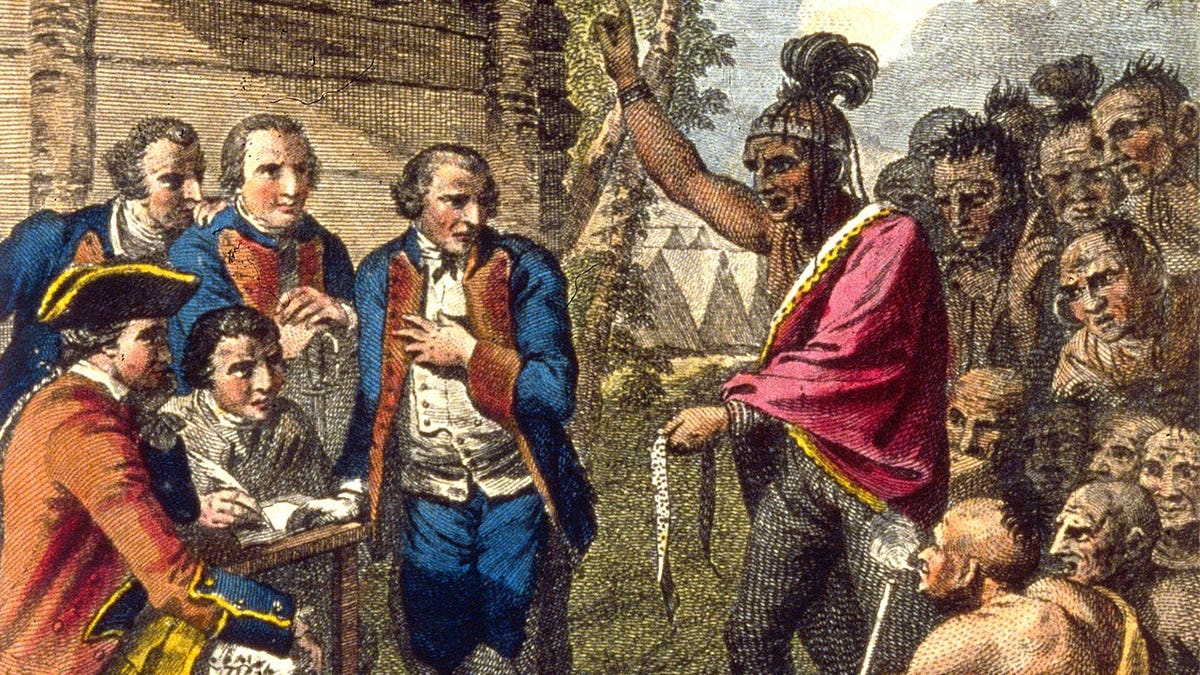
Smallpox devastated Native populations after Europeans arrived in the Americas, but questions remain about how the virus spread across the continents.(MPI/Getty Images)
The research raises questions about how the virus traveled so far south.
Smallpox, which was eradicated in 1980 and no longer naturally circulates, was once one of the world’s deadliest diseases.
EXPERTS FINALLY SOLVE MYSTERY OF TEENAGE REVOLUTIONARY WAR SOLDIER 246 YEARS AFTER HIS DEATH
It killed roughly one-third of those infected.
Those who survived the disease were often left disfigured and scarred.
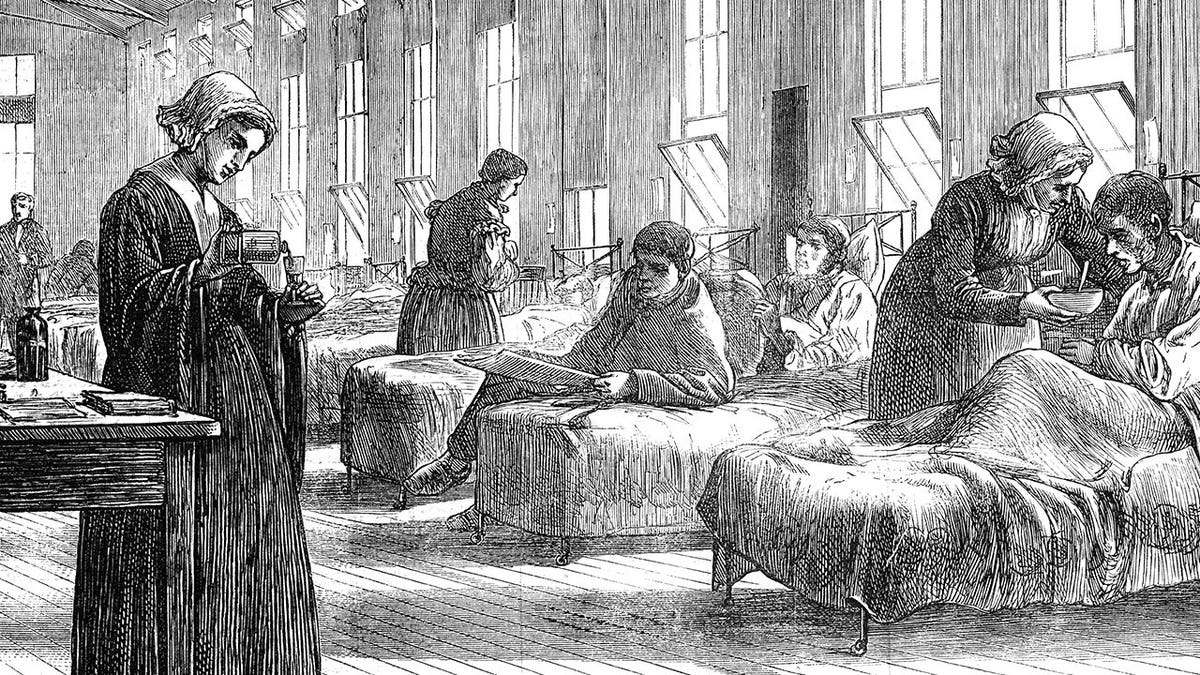
Smallpox, once one of the world’s deadliest diseases, killed roughly one-third of those infected and scarred many survivors.(Universal History Archive/Getty Images)
Smallpox devastated Native populations after Europeans arrived in the Americas — and researchers are still unsure exactly who first brought the virus or how it spread across the continents.
The virus may have spread through long-established Native trade networks, while researchers say it also could have passed through Africa amid the expansion of the slave trade.
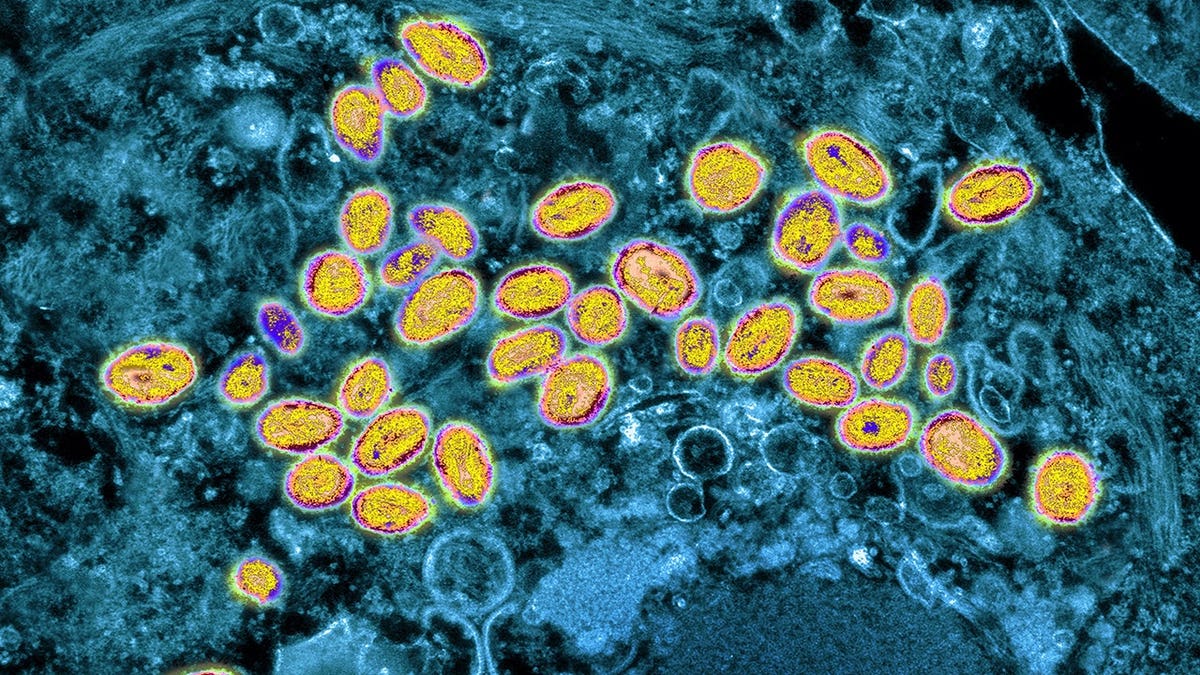
The disease no longer naturally circulates after smallpox was eradicated in 1980 following centuries of deadly outbreaks.(Cavallini James/BSIP/Universal Images Group via Getty Images)
Patricia Foster, a biologist at Indiana University who was not involved in the research, told The Associated Press (AP) that the findings provide genetic proof of something historians have long understood.
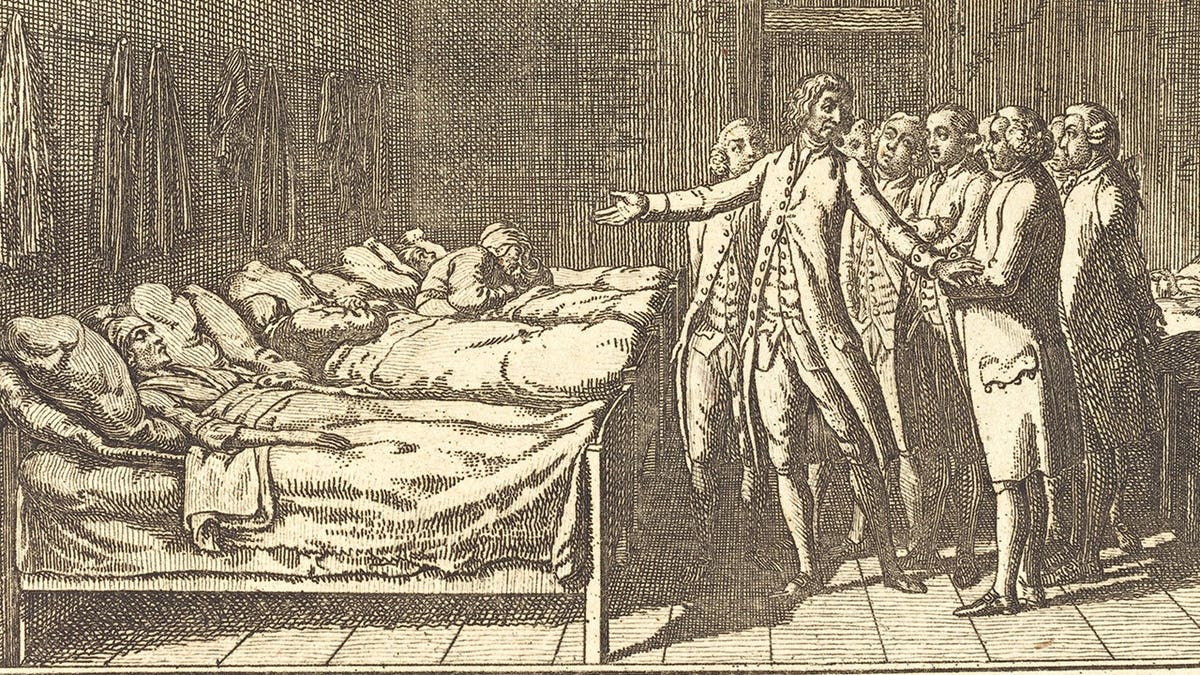
Researchers are still unsure who first brought smallpox to the Americas or precisely how the virus spread across the continents.(Heritage Art/Heritage Images via Getty Images)
The discovery is the latest example of DNA offering new clues about diseases and deaths that have puzzled researchers for centuries.
TEST YOURSELF WITH OUR LATEST LIFESTYLE QUIZ
Earlier this year, researchers recovered ancient DNA from5,500-year-old human remainsin Colombia containing bacteria related to syphilis, pushing the known history of the disease back more than 3,000 years.
onelink.me/xLDS?pid=AppArticleLink&af_web_dp=https%3A%2F%2Fwww.
This summer, researchers analyzed ancient DNA from the remains of Renaissance ruler Francesco I de’ Medici, potentially solving thecenturies-old mysterysurrounding his sudden death in 1587.
The Associated Press contributed reporting.
![[aggregator] downloaded image for imported item #99678](https://newsview.top/wp-content/uploads/2026/07/kelsey-pfendler-rowing-1024x576.jpg "Grand Canyon rafting guide becomes first American woman to row solo across Pacific in record-breaking fashion")
![[aggregator] downloaded image for imported item #99670](https://newsview.top/wp-content/uploads/2026/07/BATTLE_OF_THE_ALAMO_TX_DISCOVERY_HISTORY_ARCHAEOLOGY_1-1024x576.jpg "Rare cannonball emerges from ground at the Alamo, likely untouched for nearly 190 years")
![[aggregator] downloaded image for imported item #99663](https://newsview.top/wp-content/uploads/2026/07/people-driving-highway101-1024x576.jpg "Drivers urged to plan ahead as rest areas close along busy coastal corridor")
![[aggregator] downloaded image for imported item #99656](https://newsview.top/wp-content/uploads/2026/07/state-fair-dc-attendees-1024x576.jpg "Patriotic pride on display as America 250 guests share reflections: 'Awesome to be here'")